
Pilgrims of Hope: CLC Africa Gathers in Gaborone



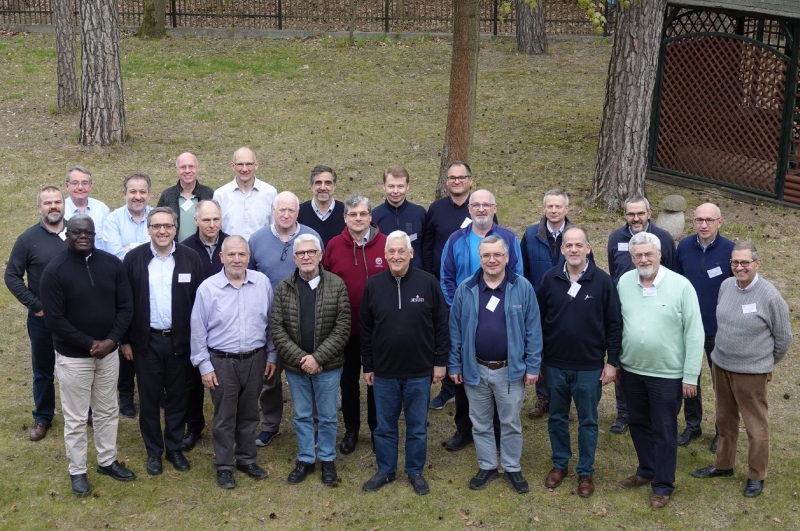
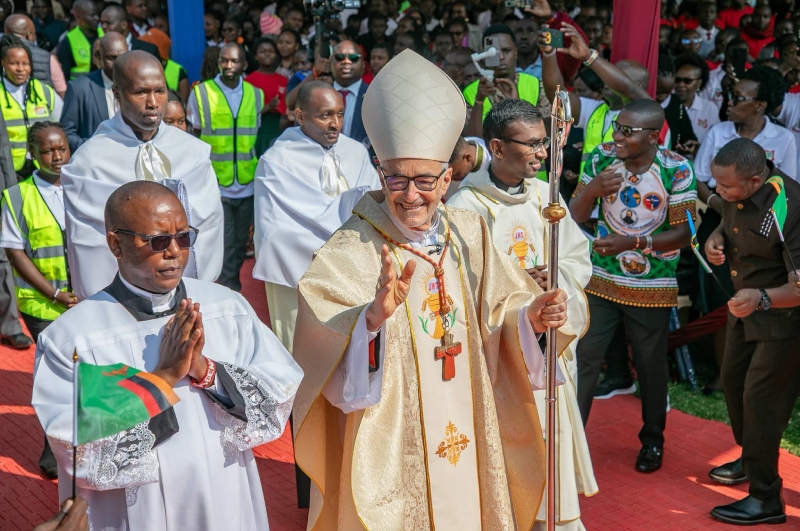
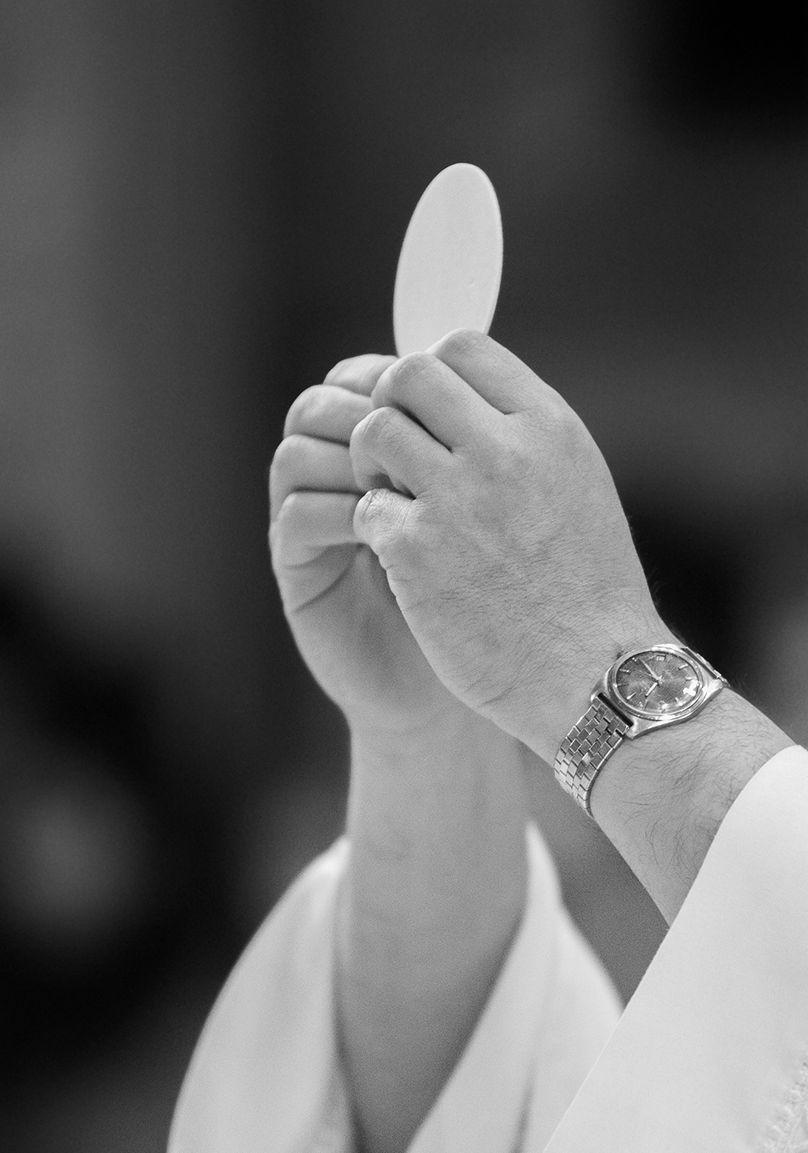
Delegates representing 23 national communities arrived with joy and anticipation, carrying colourful flags and wearing traditional attire that turned the opening procession into a mosaic of Africa’s diversity. The Assembly was inaugurated with a Eucharist celebrated by Fr. José de Pablo, Vice-Ecclesiastical Assistant of World CLC, who invited the body to pray for the grace “to remain faithful to our shared charism.”
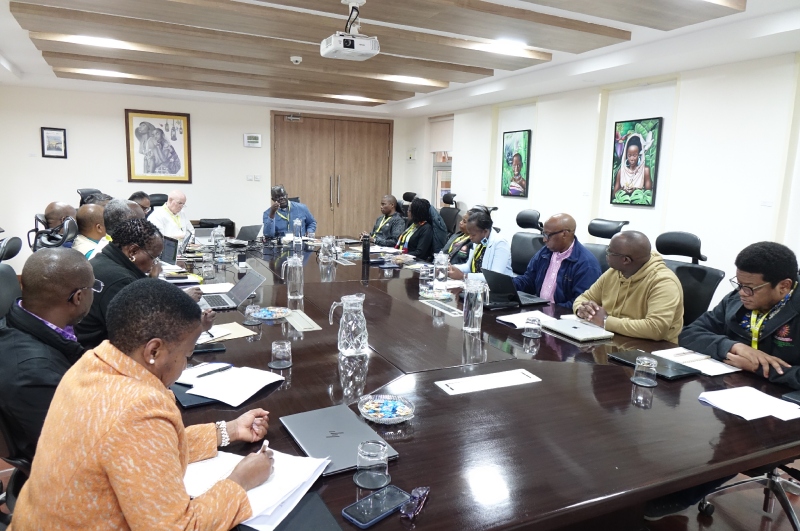
From the outset, the atmosphere combined the solemnity of Ignatian prayer with the vibrancy of African cultural expression. Daily Eucharist, moments of silence, pilgrim walks, and spiritual conversations created a rhythm that carried participants through three key movements of discernment: contemplating hope in Africa today, renewing that hope through the CLC charism, and discerning how to reform structures so that mission may flourish.
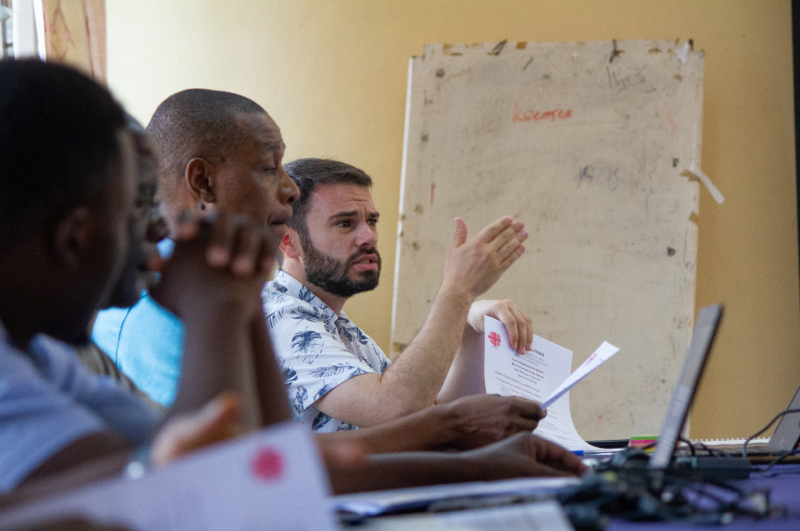
In the first movement, delegates shared the “holy stories” of their national and personal journeys. Makoala Marake (CLC in Lesotho) invited them to tell of joys and struggles, while Catherine Waiyaki (World CLC Consultor) guided spiritual conversations that helped the body listen to the Holy Spirit speaking through the voices of others. These reflections surfaced familiar challenges—membership, formation, communication, and financial sustainability—but also named youth and family as vital frontiers for mission in Africa today. With Norah Sichilongo (CLC in Zimbabwe), delegates walked in empathy with those at the margins, recognising that CLC is called not only to reflection but also to concrete apostolic engagement. Testimonies from Botswana’s Hon. Pius Mokgware, Minister of Labour and Home Affairs, and from CLC members André Bion (CLC in Cameroon), Robert Bayigamba (CLC in Rwanda), and Hedley Rotasse (CLC in Mauritius) gave flesh to these realities. Their witness, echoing the prophet Ezekiel’s vision of dry bones coming to life, rekindled hope that God continues to breathe life into Africa’s struggles.
The second stage turned the gaze inward to the sources of renewal. Fr. José de Pablo invited participants to rediscover Ignatian spirituality as a “seed of Christian hope” that nurtures both personal and communal conversion. Fr. Antonio Virgilio (Socius, Southern Africa Province) introduced synodality as a model of discernment and leadership, encouraging the Assembly to embody inclusive, Spirit-led decision-making in its life and mission. A visit to the villagers of Mankgodi enriched this stage with a lived encounter, reminding delegates that the charism must always take flesh in local contexts and relationships.
The final days saw the Assembly gather, metaphorically, under the baobab tree, an image of wisdom, dialogue, and rootedness. Here, the conversation turned to structures for mission. Chris Micallef, World CLC President, helped the body see that structures should serve discernment and mission rather than become obstacles.
The discussion deepened with the intervention of Fr. José Minaku SJ, President of the Jesuit Conference of Africa and Madagascar (JCAM). Speaking with clarity and conviction, he encouraged CLC to bring its voice into wider ecclesial and societal conversations, reminding delegates that the Ignatian charism has taken root in places like Lesotho and Botswana even without Jesuit accompaniment. This, he said, is a sign of CLC’s resilience and of the Spirit’s creativity. Yet he also underlined the urgency of forming young people in Ignatian spirituality as the future of both CLC and the Church in Africa. “If you call upon us, we are ready to accompany you,” he assured, offering JCAM’s openness to walk closely with CLC in Africa. His words were received as a prophetic voice, strengthening the sense of deep companionship between Jesuits and the lay Ignatian family.
What emerged from this baobab space was not only reflection but resolve. Delegates committed themselves to strengthen regional structures that can sustain communal discernment, to form and accompany young people, with many already present at the assembly, to renew family life as a mission frontier, and to deepen the spirituality that grounds all apostolic action. They recognised that financial co-responsibility must be embraced if CLC Africa is to grow in freedom and sustainability, and that integral ecology, inspired by Laudato Si’, is inseparable from their mission. These were not framed as abstract priorities but as lived calls that grew naturally from the week’s prayer and conversation.
Amid the demands of travel, translation, and at times chaotic logistics, the spirit of communion prevailed. Participants spoke with gratitude of the hospitality of CLC in Botswana, of the solidarity shown among neighbouring countries such as Zimbabwe and Zambia, and of the encouragement of the World Executive Council. The presence of Jesuits, from local provinces to the leadership of JCAM, was a sign of the Society’s faithful companionship with CLC.
As the Assembly concluded with a final Eucharist, there was a palpable sense of being sent forth. Delegates entrusted their journey to Mary, Our Lady of Africa, and to the saints of the continent. They left Gaborone renewed in their conviction that CLC Africa is indeed a community of pilgrims, leaders, and witnesses of hope: pilgrims who journey together in faith, leaders who serve through discernment and collaboration, and witnesses who embody Christian hope amid Africa’s struggles and dreams.
For the Jesuit family in Africa, the Assembly was also a reminder of the fruitfulness of lay Ignatian vocation. CLC and Jesuits share one charism, expressed in distinct but complementary ways. In Gaborone, that companionship took visible form: a lay body discerning with depth, inspired by the Exercises, and ready to go forth to serve Church and society.
For both CLC and Jesuits, it is a call to walk together in mission, responding to the Spirit who continues to raise new life across Africa.