

“Linked for Life”: AJAN Assembly Concludes with Renewed Strategy for Youth and Health in Africa



Held from September 22-26 under the theme “Linked for Life and Well-being: Shaping Our Common Mission in Africa,” the assembly brought together Jesuits, collaborators, and partners from 17 African countries. The event served as both a moment of deep reflection and a strategic launchpad for the network's future.
In his welcoming address, Fr. Ismael Matambura SJ, AJAN Director, drew inspiration from the Superior General of the Society of Jesus, reminding participants that their mission is to foster long-lasting transformation. “Our call to sustainable impact is rooted in our Ignatian tradition, inviting us to seek the greater good in all our works,” he affirmed. Quoting Matthew 5:16, he encouraged participants to let their light shine so that their efforts may bear fruit for generations.
A Call to Discern, Not Just to Plan
Echoing this forward-looking spirit, Fr. José Minaku, SJ, President of the Jesuit Conference of Africa and Madagascar (JCAM), opening the Assembly officially, challenged participants to move beyond conventional strategic planning. Drawing inspiration from Pope Francis, he declared that the Church is living through not merely “an era of change, but a change of epoch.”
“It is useless to adjust the bird’s feather when the wind changes direction; one must learn to fly anew,” Fr. Minaku stated, quoting an African proverb. He emphasized that AJAN’s strength “does not lie in having perfect strategies, but in being a body that discerns — one that listens to the Spirit of God and responds courageously to the needs of the times.”
Discernment became the undercurrent of the entire assembly, guiding the revision of the network’s vision and mission statements and the development of its new strategic pillars.
A Blueprint for a Renewed Mission
The new strategic plan, finalized during a multi-day workshop, is built on four key pillars designed to make AJAN more participatory, digital, sustainable, and collaborative:
1. Consolidating the Decentralized Model: Strengthening local AJAN centers across Africa with enhanced training in project management and fundraising, and encouraging progressive financial autonomy through local partnerships and income-generating activities.
2. Placing Beneficiaries at the Center: Developing new mechanisms for continuous listening, including digital surveys and youth committees, to ensure that the voices of those served directly influence AJAN’s programs and strategies.
3. Leveraging the Global Context: Embracing digital transformation to expand reach and collaborating more deeply with other global Jesuit networks for advocacy and research. The plan also systematically integrates care for our Common Home (Laudato Si') into all projects.
4. Rethinking the Nairobi Hub: The central secretariat will transition from a potential competitor to a supportive “catalyst,” providing technical expertise, international fundraising, and solidarity between centers.
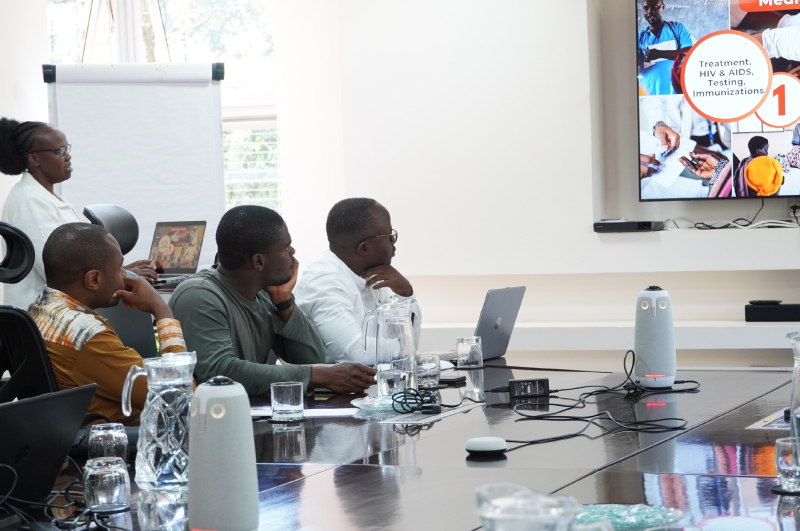
Capacity Building and Heroic LeadershipThe assembly began with a robust capacity-building program for AJAN directors, focusing on critical areas for modern faith-based organizations. Sessions covered “Mindset for Innovation, Ownership, and Sustainability,” youth engagement, and the potential of social enterprises to ensure long-term viability.
A highlight was a session on “Heroic Leadership” by Chris Lowney and Samantha Waki, which challenged leaders to redefine leadership as a service rooted in Ignatian values. Lowney’s message to “drink deeply from your own well” resonated, reminding leaders that true impact begins with inner freedom and reflection.
A Human Machine of Hope
The strategic work was balanced with powerful symbolic acts. In a team-building exercise, participants formed a silent “human machine” using only their bodies—a poignant metaphor for AJAN’s mission of connecting vulnerable communities to hope through collaboration, trust, and unity.
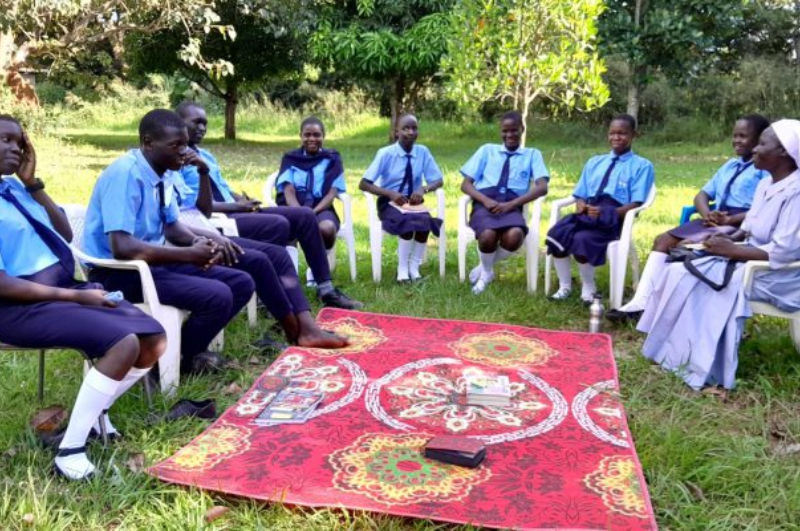
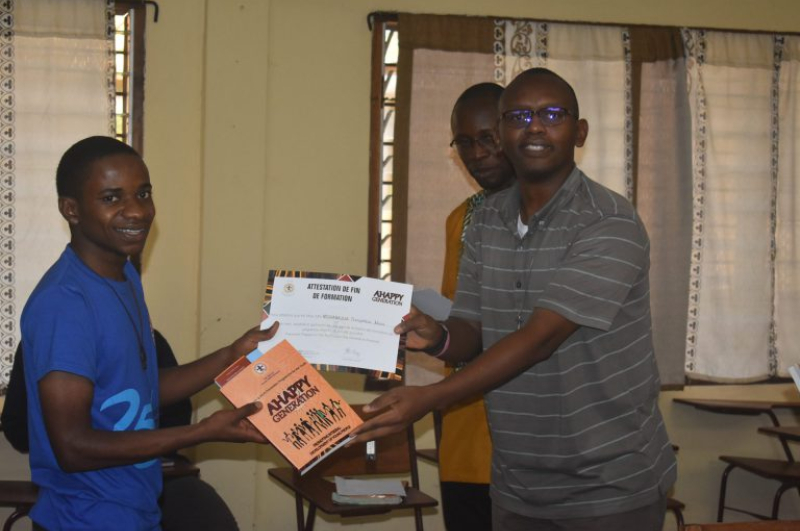
The assembly was also grounded in the real-life impact of AJAN’s work. Monica Apiyo, a graduate and beneficiary of the AHAPPY program, moved attendees with her testimony of living with HIV not as a limitation, but as a “testimony of hope.”
The event culminated in a commitment ritual, where Fr. Ismael Matambura and center directors symbolically signed a covenant of collaboration between the secretariat and field centers, solidifying the shared pledge to actualize the new strategic plan.
“We shall own it and do our level best through God’s grace to ensure that the Strategic Plan does not only remain on paper,” said Fr. Obwanda Meyo, SJ, from Uganda.
As the assembly closed with a Thanksgiving Eucharist, AJAN members departed with a clear mandate: to be a network that not only fights HIV/AIDS but also discerns and embraces its growth, fostering a future of hope and well-being across Africa.
Support the work of AJAN [Here]