

JASBEAM Education Delegates Gather in Kigali to Chart Future of Jesuit Education in Africa


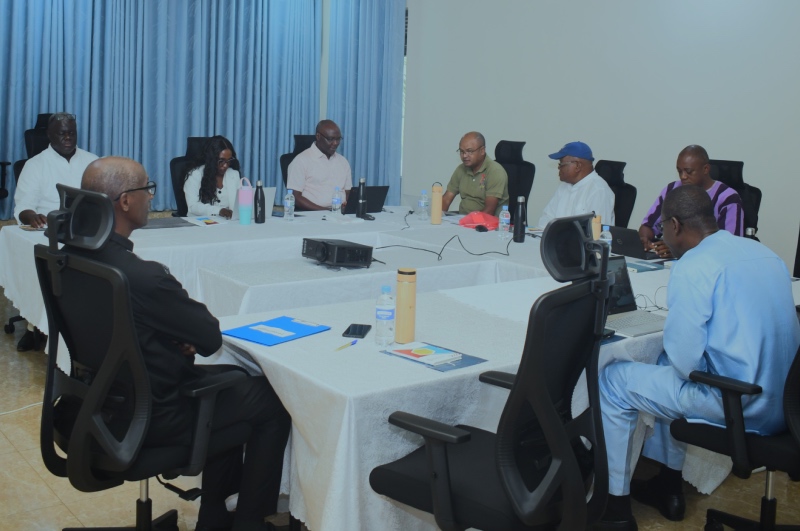


Hosted by the Rwanda-Burundi Province (RWB) at the Centre Christus, the meeting marked the first gathering of delegates since the JASBEAM colloquium in Harare, in 2025, bringing together Jesuit education leaders for four days of discernment on governance, identity, and strategic expansion.
Fr. Innocent Kamanzi, SJ, host delegate, opened the proceedings with welcoming remarks expressing gratitude for delegates' safe arrival, followed by a warm welcome from the local superior Fr. Tite Mutemangando, SJ.
Setting the tone for the gathering, Fr. José Minaku, SJ, President of JCAM, posed two significant questions that would frame the entire meeting: "What kind of schools do we dream for Africa today?" and "What concrete initiatives are needed to make this vision a reality?"
Fr. Minaku reminded participants that education represents the Conference's largest apostolate, with over 200 Jesuits actively serving. Yet he struck a challenging note: despite numerical growth, Jesuit education in Africa reaches only a limited portion of society. The imperative, he stressed, is expanding access while strengthening popular education and maintaining Jesuit identity amid digital transformation and growing complexity.
The afternoon session pivoted to future planning, with Fr. Jimmy Bartolo, SJ, Secretary of ICAJE, outlining a comprehensive evaluation process building on previous global gatherings in Boston (2012) and Rio (2017). Montreal 2027 will complete a second global discernment cycle, grounded in evidence-based research and regional interviews.
Delegates examined three critical questions: what has worked well, what obstacles have slowed progress, and where gaps remain between vision and implementation.
Day two moved from prayer into practical governance questions. Fr. Joe Arimoso, SJ, from the Southern Africa Province (SAP), presented best practices on school visitation, distinguishing between two complementary models:
School Support Visits offer structured but informal encounters focused on listening, encouragement, and constructive feedback. Whole School Evaluations constitute formal, multi-day reviews mandated by provincial leadership, covering mission, spirituality, finance, infrastructure, and the 10 Global Identifiers of Jesuit Schools.
The message was unambiguous: visits must evolve from reactive problem-solving to proactive accompaniment, evaluating finance, governance systems, safeguarding, formation programs, and teaching quality rigorously but collaboratively.
Delegates refined proposed Terms of Reference clarifying their role: advising Provincials through written reports, serving on school boards, coordinating formation in safeguarding and Ignatian identity, facilitating collaboration with JRS and Fe y Alegría, and witnessing leadership transitions to ensure mission continuity.
Leadership formation emerged as a priority concern. Orientation programs for new presidents and principals must encompass Ignatian Spirituality, governance literacy, financial competence, safeguarding protocols, and contextual understanding of African Jesuit education.
The Educate Magis platform was highlighted as a vital formation resource, with its digital library, leadership materials, and upcoming "Connected Classrooms" initiative (February 2026) offering collaboration tools. Artificial intelligence integration was noted as a new development supporting engagement and learning.
The day concluded with dinner and fellowship at Centre Christus, strengthening collaborative bonds.
Safeguarding and Clear Protocols
The final day brought updates from ICAJE delivered by Fr. Chikere Ugwuanyi, SJ, JASBEAM Coordinator, outlining upcoming meetings and revised statistical reporting standards requiring greater accuracy.
Safeguarding received particular attention. The Promotion of a Consistent Culture of Protection (PCCP), piloted in South Sudan and Nigeria, will be expanded, with a dedicated approach for Francophone schools ensuring contextual relevance and parental involvement.
Financial sustainability discussions yielded agreement to draft a formal letter addressing funding challenges affecting Education Delegates, JASBEAM, and Educate Magis.
In his closing remarks, Fr. Minaku emphasised the need for clear protocols, well-defined job descriptions for Education Delegates, and stronger networking across provinces. He encouraged participants to listen attentively to "what the Spirit is telling us" about Jesuit education in Africa today.
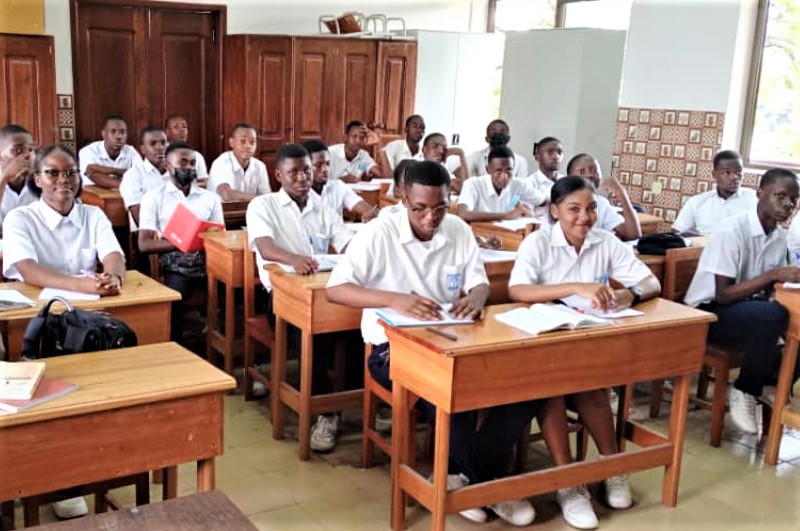
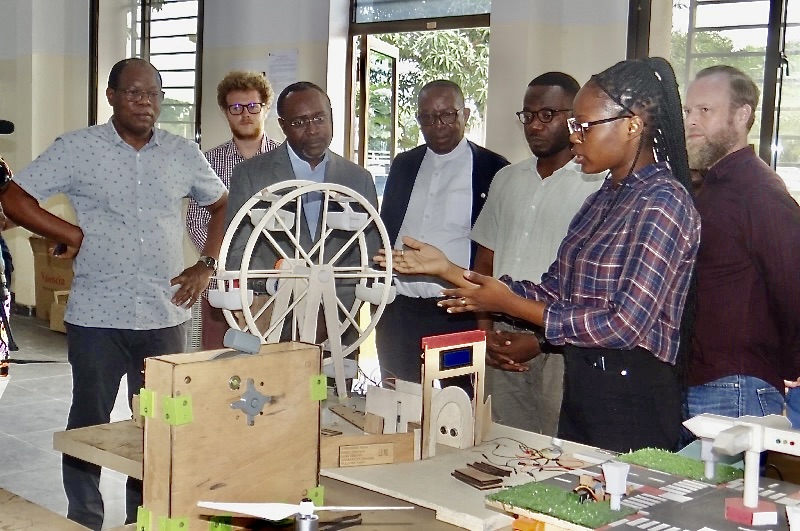
Delegates in the last day visited St. Ignatius Schools in Kigali during the afternoon, observing nursery, primary, and secondary levels in action. They engaged enthusiastic students and staff in discussions about programs, STEM focus, expansion challenges, and strengthening Jesuit identity amid growth.
The visit grounded strategic conversations in lived reality, reminding participants that their deliberations ultimately serve classrooms across Africa and Madagascar.
The meeting concluded with communal dinner sending delegates back to their provinces with renewed clarity, shared resolve, and a strengthened continental network committed not merely to expanding schools, but to forming men and women of conscience, competence, compassion, and commitment across Africa and Madagascar.
For more information about Jesuit education in Africa and Madagascar, contact the JASBEAM network through Educate Magis, or check our website: www.jesuits.africa/english regularly for news.