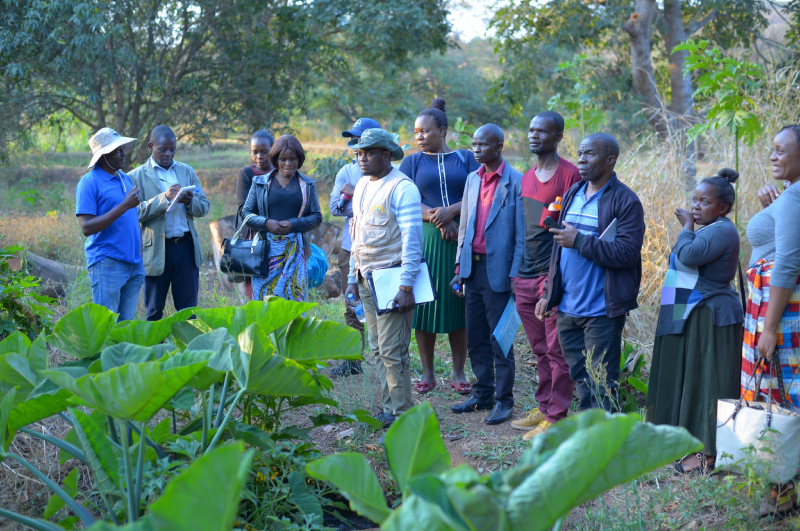


Jesuits for Climate Justice Launch Policy Brief Ahead of COP30: A Call for Action Rooted in Faith and Justice

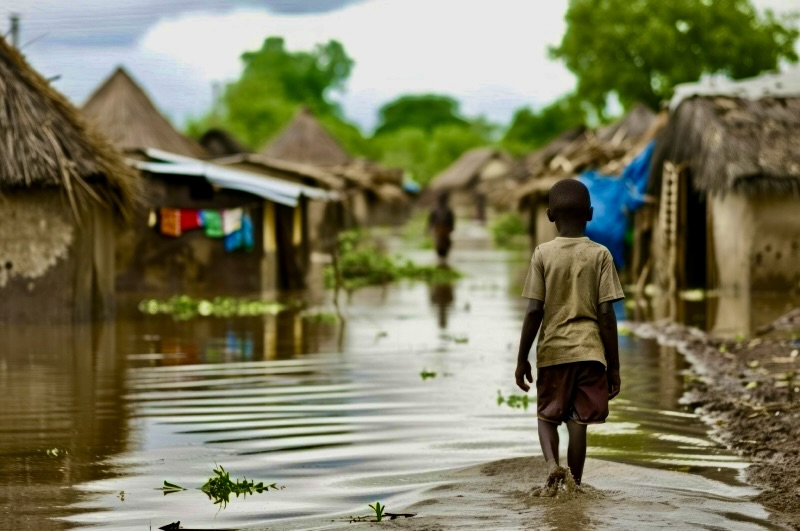


Drawing on the fourth Universal Apostolic Preference (UAP4)—to collaborate in the care of our Common Home—and the moral vision articulated in Pope Francis’s Laudato Si’, this brief speaks to the heart of a world facing a "complex crisis that is both social and environmental." The Society of Jesus joins global civil society in urging world leaders to act boldly and compassionately in the face of escalating climate injustice.
Three Urgent Calls to Global Leaders
The Jesuit delegation will advocate for three interconnected policy priorities during the SB62 negotiations in Bonn (June 2025) and at COP30 (November 2025):
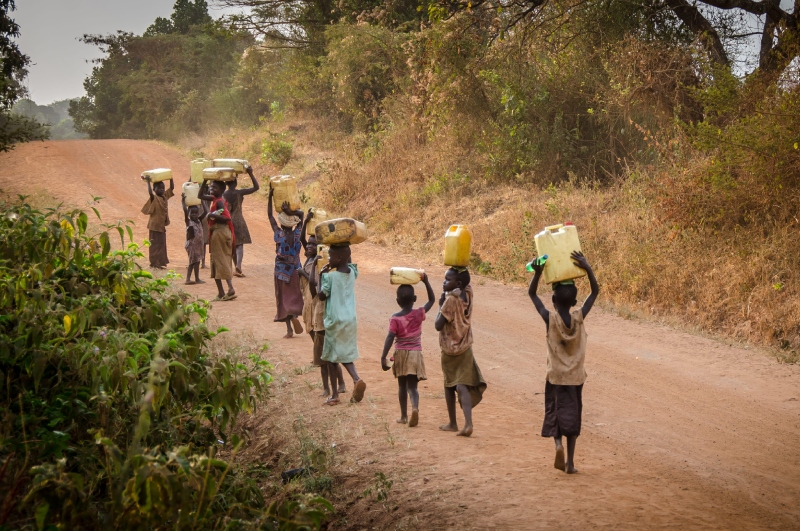
Cancel the debt of underdeveloped countries and strengthen the Loss and Damage Fund
Many developing nations are trapped in cycles of debt that prevent them from investing in climate adaptation and recovery. The Jesuits echo Pope Francis and partners in the ‘Turn Debt into Hope’ campaign for the Jubilee Year, calling for a UN financial framework that recognizes the ethical and ecological debt owed to the Global South. The brief urges a shift from loans to grants and emphasizes the need for timely, transparent, and needs-based funding mechanisms for loss and damage.
Accelerate agreements and set targets for a just energy transition to reduce CO₂ emissions
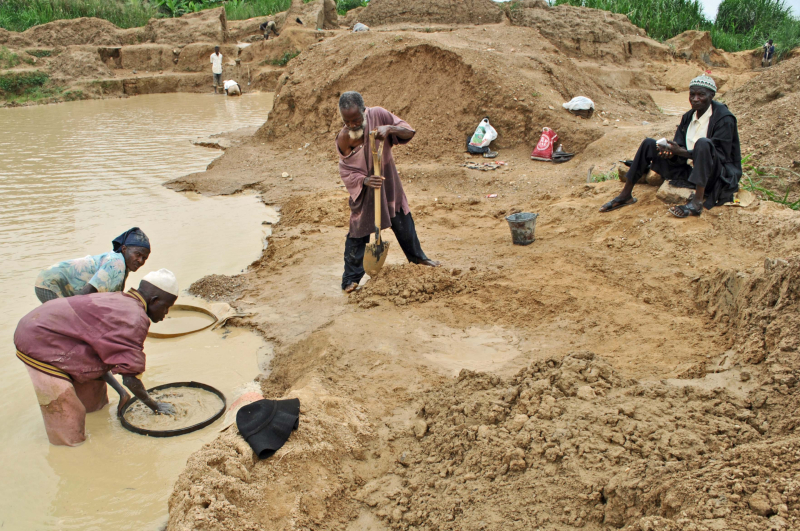
In line with the Paris Agreement’s 1.5°C goal, the brief calls for a rapid phase-out of fossil fuels and the elimination of fossil fuel subsidies. The Jesuit position emphasizes that a just transition must prioritize the rights and dignity of Indigenous peoples and vulnerable communities living near extraction zones. The campaign supports stronger Nationally Determined Contributions (NDCs) and the revitalization of the UAE Work Programme on Just Transition, demanding measurable actions and inclusive engagement.
Set concrete targets to build a Global Food Sovereignty System based on agroecological practices
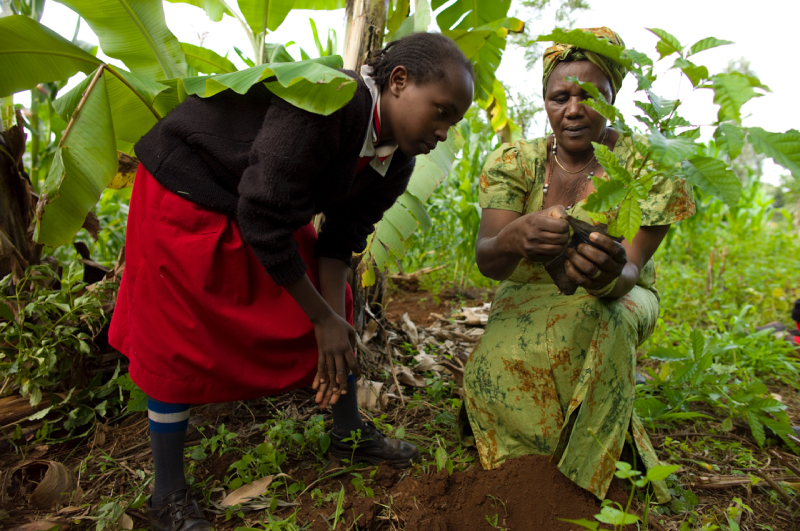
The transformation of our food systems is critical to meeting climate and biodiversity goals. The Jesuits advocate for an agroecological approach that ensures food sovereignty, protects biodiversity, and supports smallholder farmers and Indigenous communities. The brief calls for greater climate finance dedicated to sustainable food systems and the integration of agroecological targets into both climate (NDCs) and biodiversity (NBSAPs) frameworks.
A Faith-Rooted Vision for Climate Justice
The Jesuits’ engagement in climate advocacy stems from their spiritual tradition of discernment, a preferential option for the poor, and a global perspective on justice. As the Policy Brief outlines, the climate crisis is not only a scientific and technical issue—it is a moral and spiritual challenge that calls for bold leadership, structural transformation, and solidarity with the most vulnerable.
Through this campaign, the Society of Jesus seeks to accompany those most affected by the climate emergency, influence global negotiations with informed moral advocacy, and mobilize faith communities around the world.
Take Action
The Jesuits for Climate Justice campaign invites individuals, organizations, and communities to:
Read and share the Policy Brief: Click here to download the Policy Brief
Sign the statement of support: [On this Google Form Here]
Join the conversation and amplify the moral call for climate justice across social media and community platforms.
As COP30 approaches, let us stand together in hope, action, and faith—to care for our common home.