

Strengthening the Church in Africa: JCSA’s Training and the Memorare Initiative



Through comprehensive training programmes and collaborative initiatives like the Memorare Initiative, JCSA is working tirelessly to build sustainable safeguarding systems within the Church and the wider community.
A Holistic Approach to Training - Under the auspices of the Hekima University College of the - JCAM (Jesuit Conference of Africa and Madagascar), JCSA offers a multidisciplinary training approach combining theology, anthropology, psychology, and legal dimensions to address the complex challenges of safeguarding in the African context . This training is designed to equip participants from clergy and religious to lay leaders and community members with comprehensive knowledge and practical skills to protect those entrusted to their care.
Recent training programmes demonstrate JCSA's commitment to reaching diverse groups across the continent.
Training for the Medical Missionary Sisters in Tanzania
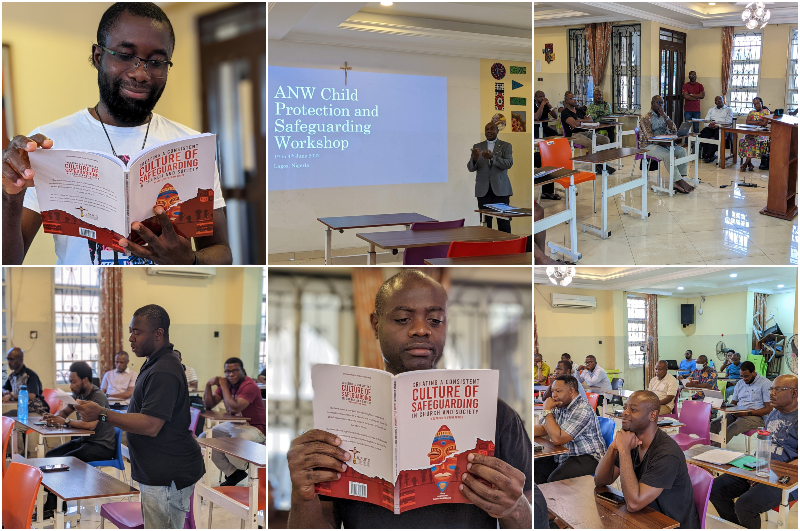
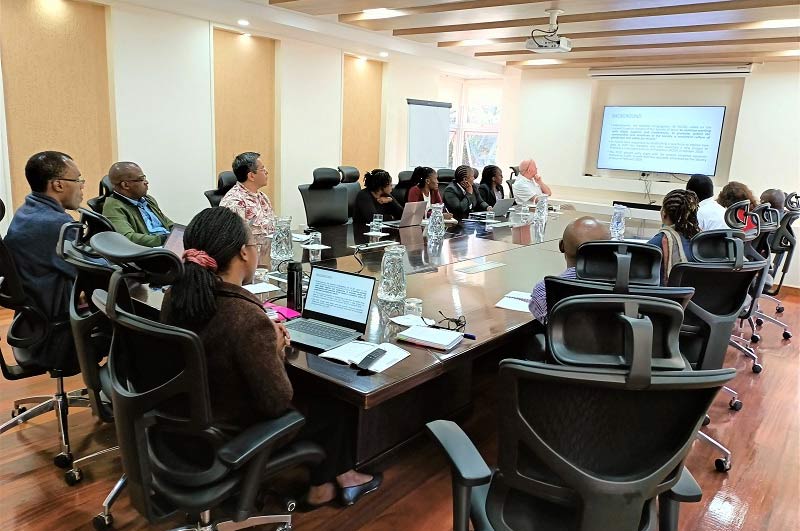
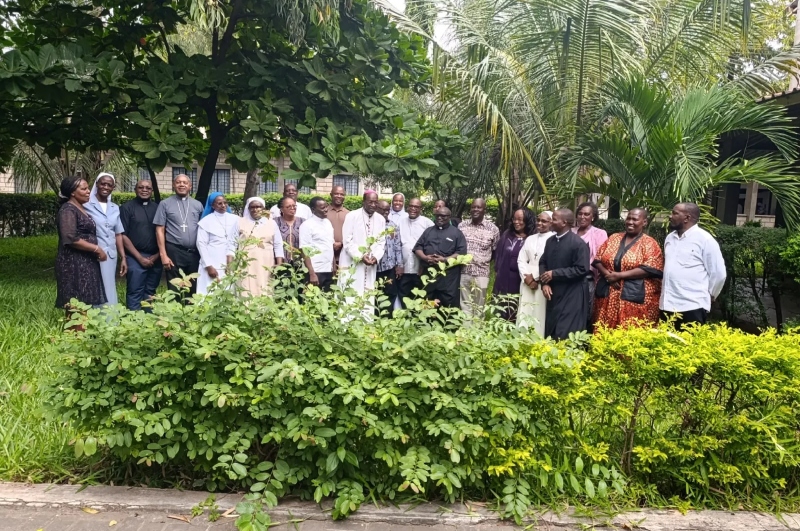
In May 2026, JCSA conducted an onsite safeguarding training for the Medical Missionary Sisters in Tanzania, bringing together participants from across the region for a transformative three-day programme.
The first day established a strong foundation, beginning with an opening address by Sr Helen McKenna, MMM., who reaffirmed the congregation's commitment to creating safe environments for everyone. Participants engaged in expectation-setting sessions led by JCSA team led by Ms. Lucy Monari, followed by essential groundwork on safeguarding history and key terminologies presented by Mr. Nicholas Okwatch, the JCSA Research Coordinator.
One particularly impactful session, led by Dr. Timothy Gachanga from Tangaza University, explored the relationship between culture and child safeguarding. Participants reflected on how cultural practices can both protect and harm children. Positive practices highlighted included extended family support systems, communal childcare, kinship care, and the Ubuntu philosophy that promotes collective responsibility and compassion.
However, the session also courageously addressed harmful cultural practices including child marriage, female genital mutilation (FGM), sexual exploitation, and harmful initiation ceremonies. Through group discussions, participants examined how some traditions, while deeply rooted in community beliefs, violate children's rights and dignity.
As the week progressed, participants engaged with the legal dimensions of safeguarding through sessions on Canon Law. These discussions emphasised the Church's responsibility in promoting protection, accountability, and the dignity of every person within its institutions and ministries. Participants grappled with the implications of Church law for safeguarding practice, deepening their understanding of the structures that support a culture of care.
The training concluded by addressing Adverse Childhood Experiences (ACEs) and their long-term impact on development, equipping participants to recognise signs of trauma and respond appropriately.
The Memorare Initiative: Building Sustainable Safeguarding Systems
The Memorare Initiative by JCSA represents a strategic commitment to strengthening safeguarding through collaborative consultation, capacity building, and institutional commitment. Through this initiative, JCSA works with dioceses to develop contextually relevant safeguarding protocols that reflect local realities while upholding the Church's universal commitment to protection.
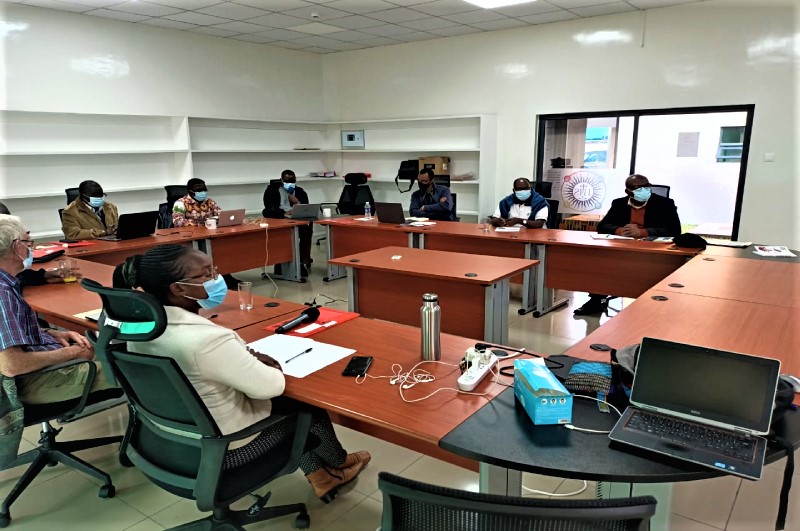
The Memorare Initiative launched officially in the Catholic Archdiocese of Mombasa, bringing together 25 key pastoral leaders and safeguarding personnel at the Archdiocesan Pastoral Centre. His Grace Most Rev. Archbishop Martin Kivuva Musonde actively participated underscoring the Archdiocese's commitment to creating safer environments.
Facilitated by Fr. John the Baptist, Anyeh-Zamcho, SJ, participants engaged in practical mock interviews and training on the Appreciative Inquiry approach that will guide the diocesan consultation. The first day concluded with the Archbishop affirming that the consultancy adopts "an appropriate and sustainable approach to strengthening safeguarding structures within the local Church".
The second day equipped the safeguarding team with field assignments to conduct consultations across their pastoral contexts. These consultations will contribute to developing a common safeguarding protocol for the Metropolitan See of Mombasa.
The Memorare Initiative also commenced in the Diocese of Malindi, where a core team of 20 participants gathered at St. Francis Xavier Institute for intensive training. Rt. Rev. Bishop Wilfred Lagho joined the final session, urging the team to "cultivate trust, teamwork, and deep respect for all respondents" during the Appreciative Inquiry process. Bishop Lagho emphasised that safeguarding is "not a peripheral activity but a central dimension of the Church's mission and pastoral ministry".
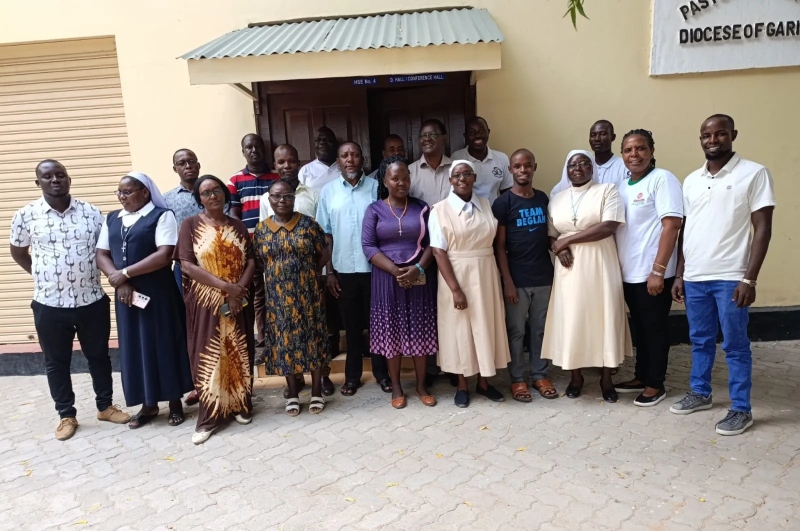
JCSA launched the Memorare Initiative in the Catholic Diocese of Garissa, bringing together 20 key diocesan personnel, including the Vicar General, Diocesan Safeguarding Coordinator, and vocation directors. Facilitated by Ms. Lucy Monari (JCSA Director) and Mr. Nicholas Okwatch, JCSA Research Coordinator, participants engaged in Appreciative Inquiry exercises and interview simulations to prepare them for community consultations.
The initiative received strong support from Rt. Rev. Bishop George Muthaka, who noted that safeguarding "has become an integral part of the Church's pastoral mission." The consultation was further strengthened by the participation of the Deputy County Commissioner, who reaffirmed the Government's shared responsibility in protecting children and vulnerable adults, noting that abuse can occur in homes, schools, places of worship, and the wider community.
Despite geographical and security challenges affecting some parts of the Diocese, leadership committed to ensuring broad participation while prioritising the safety of those involved. A dedicated communication platform was established to support coordination and peer learning throughout the consultation period.
JCSA's work extends beyond specific training programmes and initiatives. Through its online Certificate in Child Safeguarding and Vulnerable Adult Protection and its virtual Community of Practice, JCSA is creating a network of safeguarding professionals across Africa and Madagascar . These efforts build on the 36th General Congregation of the Society of Jesus (2016) mandate to promote "a consistent culture of protection and safety for minors" and Pope Francis' call for the Church to be especially vigilant in protecting children and vulnerable adults.
The establishment of JCSA was inspired by the recognition that while safeguarding as a general concept is embraced across Africa, comprehensive understanding remains limited. Cultural practices and a broader culture of silence often impede meaningful change, making conscientization through training essential.
By empowering diocesan teams to engage their communities through Appreciative Inquiry and providing ongoing accompaniment, HUC-JCSA is supporting dioceses in developing sustainable safeguarding frameworks that reflect a lived expression of the Gospel one that upholds the dignity of every person created in the image and likeness of God.
Visit the JCSA website [HERE]