

Safeguarding: Jesuits in Africa and Madagascar Move from Policy to Lived Culture

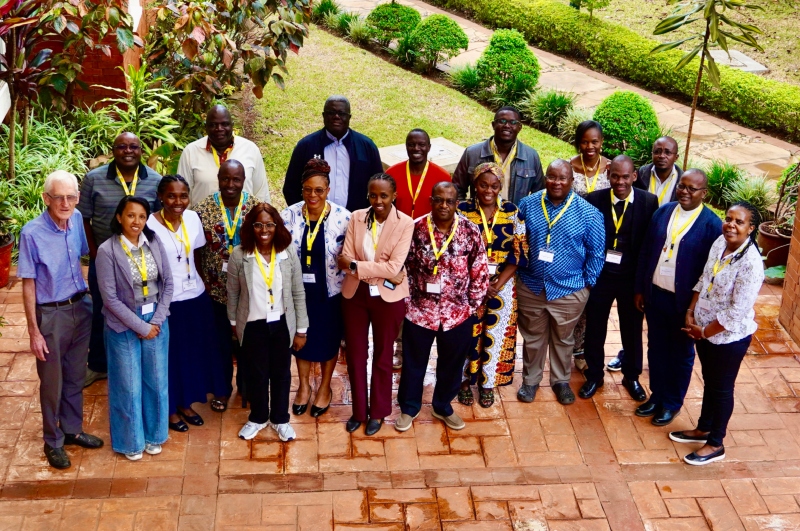
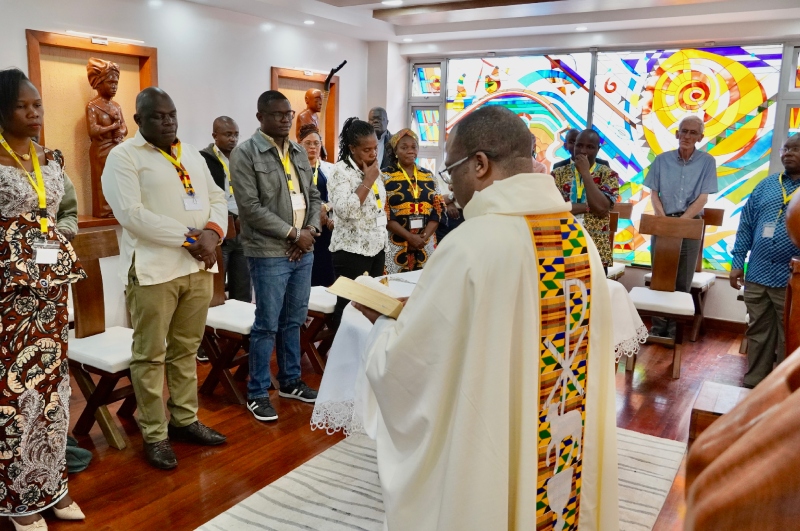


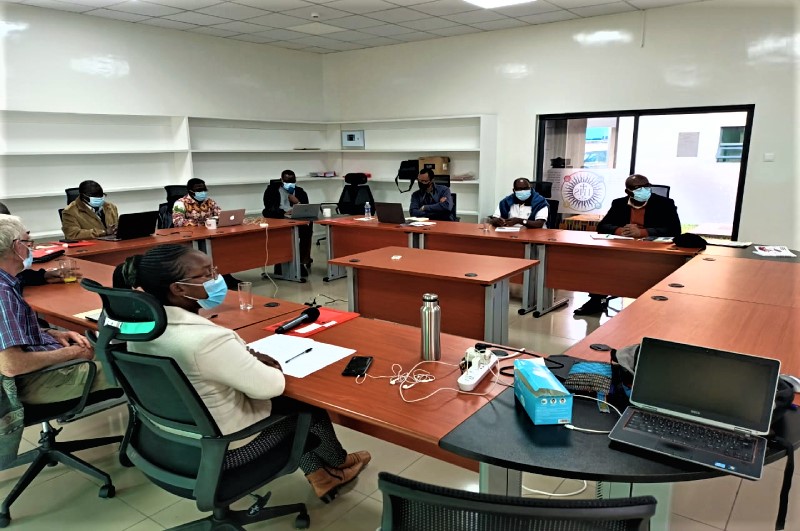
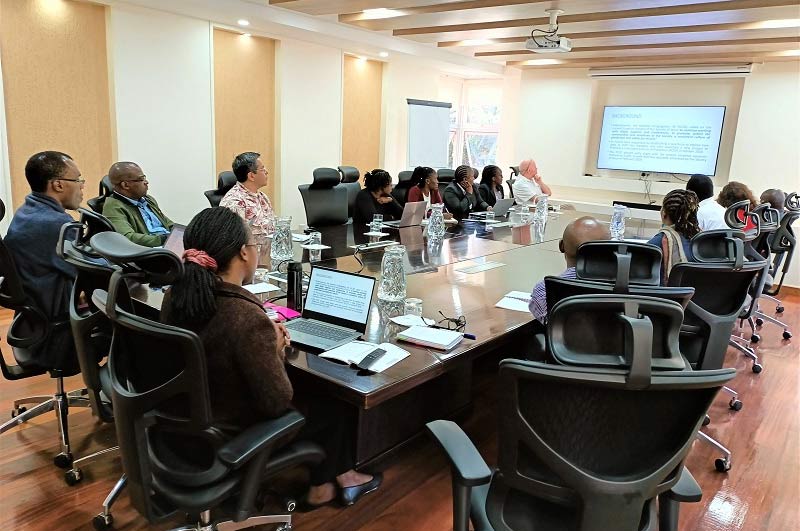
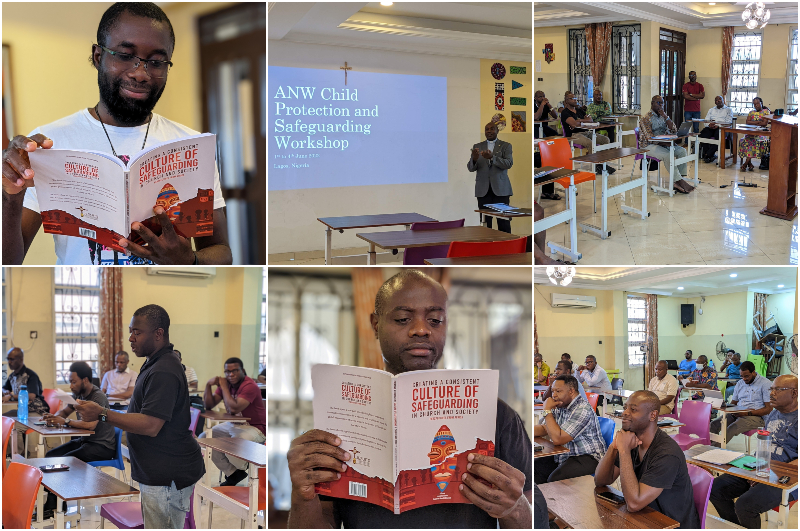
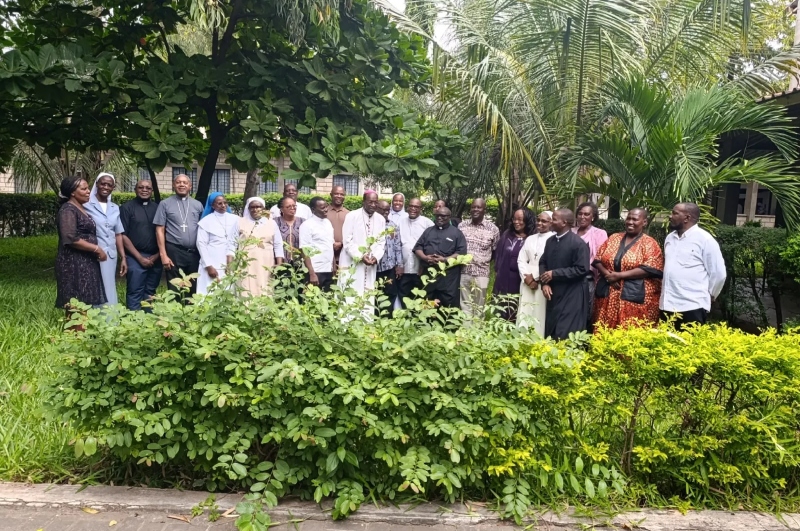
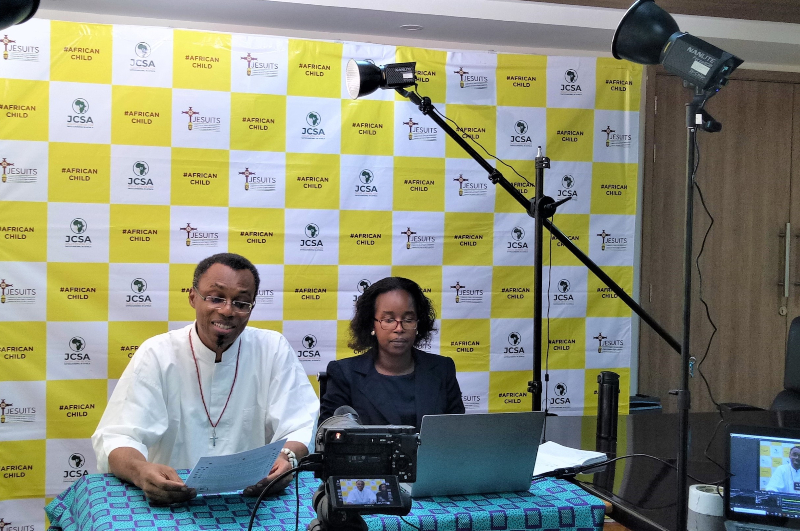
Under the theme "Revisiting the JCAM Safeguarding Strategic Plan: What is working well and what is not working well," the conference brought together safeguarding coordinator and commission, institutional representatives, and provincial delegates from across the continent to critically assess progress, identify persistent gaps, and chart a concrete path forward.
A mission imperative, not an accessory - In his opening address, Fr. José Minaku, SJ, President of JCAM, stressed that safeguarding "is not a separate or occasional concern but a central part of the mission" of the Society of Jesus in Africa and Madagascar. As the Conference renews its common apostolic projects, he insisted that safeguarding be systematically integrated into education, formation, pastoral ministry, justice, reconciliation, and the accompaniment of individuals.
Fr. Minaku acknowledged meaningful achievements: implementation of PCCP audit recommendations, twice-yearly self-assessments, strengthening of safeguarding networks, integration of safeguarding into Jesuit formation, piloting of the PCCP in schools, research on restorative justice, and the growth of the Community of Practice and Safeguarding Consortium.
Yet he was equally candid about persistent shortcomings. Progress remains uneven across provinces, several planned activities are still pending, and inadequate budgets, sustainable structures, and full-time safeguarding personnel continue to hamper implementation in some areas. Newly appointed safeguarding officers, he noted, require proper induction and ongoing support.
"One tree cannot make a forest," Fr. Minaku remarked, emphasising that safeguarding cannot be carried by individual officers alone. It requires the commitment of provincial leadership, major superiors, directors of apostolic works, collaborators, and every member of the community.
His concluding appeal was direct: move from strategic documents to concrete action. "The task is no longer simply to produce new policies," he said. "It is to transform practices, strengthen institutional accountability, and make safeguarding a genuine shared culture."
Achievements Amid Uneven Progress
The conference heard reports from institutions and provinces across the continent, revealing both encouraging momentum and common challenges.
Hekima University College (HUC) reported progress in strengthening awareness and institutional structures, including a safeguarding workshop for non-teaching staff, sensitisation of newly admitted students, revision of its Safeguarding Policy to reflect 2026 requirements, and the establishment of a dedicated Safeguarding Office. However, the Office acknowledged the need to extend sensitisation to all staff categories and strengthen implementation of the revised policy. One case involving an allegation of physical assault between two students was handled during the reporting period; following investigation, insufficient evidence was found to substantiate the allegation, though the complainant escalated the matter to the JCAM Safeguarding Office.
The Jesuit Centre for Safeguarding in Africa (JCSA) highlighted significant progress, including training 266 safeguarding-course finalists through theology formation supported by the Hilton Foundation, conducting formation for 20 Medical Missionary Sisters in Arusha, and facilitating Memorare Initiative consultations involving 65 participants across three Kenyan dioceses. Its Community of Practice recorded seven sessions with 2,791 combined attendance and viewing instances. Yet JCSA also identified challenges: limited funding and staffing, connectivity issues affecting remote learners, cultural barriers, institutional resistance, and difficulties translating policy into practice.
The Jesuit Rwanda-Burundi Province (RWB) reported that most apostolates now have safeguarding policies and appointed officers, with community awareness initiatives including parenting sessions at Saint Ignatius Schools. However, delays in implementing planned activities, continued acceptance of violent forms of child discipline in some communities, and inadequate case documentation remain concerns.
The Jesuit Madagascar Province established a network of 105 local Child Protection Officers and reached 1,344 participants through training and awareness activities. The creation of a Catholic network for the protection of minors and vulnerable persons marked a significant step toward strengthening cooperation. Challenges persist, particularly cultural attitudes toward safeguarding, mistrust, and limited financial resources.
The Jesuit North-West Africa Province (ANW) (Ghana, Nigeria, The Gambia, Sierra Leone, and Liberia) presented its ten-year strategic journey, reporting an average safeguarding maturity score of 2.98 out of 4.0 in its 2026 self-assessment involving 16 of 23 apostolates. While people management scored strongest at 3.21, continuous improvement was weakest at 2.65. The Province acknowledged gaps in risk assessments, policy reviews, transparency in audit findings, and barriers to reporting abuse.
The Jesuit Southern Africa Province (SAP) highlighted child-led initiatives, including the My Voice, My Safety, My Future symposium bringing together 150 learners and 15 teachers, and a Training of Trainers programme. Yet implementation remains uneven, with unclear reporting pathways, fear and under-reporting, and resistance from some leaders.
The Jesuit Central Africa Province (ACE) reported restructuring its Safeguarding Commission and conducting formation activities in formation houses, schools, dioceses, and social centres across Kikwit, Kisangani, Mbuji-Mayi, and Lubumbashi. Its Safeguarding Vade Mecum continues to guide policy development, though the Commission recognised the need to move beyond isolated initiatives toward a coordinated culture.
The Jesuit West Africa Province (AOC) described a year of limited institutional activity but meaningful training, including formation for 30 Jesuit scholastics who signed a commitment to prevent abuse, and training for four perpetually professed Sisters in Yaoundé. Operational challenges include an inactive team, lack of a permanent safeguarding office, and inadequate funding across a Province covering 14 countries.
Jesuit Eastern Africa Province (AOR): Monitoring Visits Reveal Ground Reality
The AOR Province report highlighted progress made through monitoring and evaluation visits conducted across apostolates and Jesuit communities. Unlike the previous year's report, which relied largely on information from Directors of Works and Local Safeguarding Officers, this year's visits provided a more realistic understanding of safeguarding implementation on the ground.
Among the key consolations were the positive reception of the monitoring visits, increased awareness among Jesuits, the appointment of Local Safeguarding Officers in most apostolates, allocation of resources toward safeguarding activities, and continued support from the Province Treasury and Irish Jesuit International (IJI).
Despite this progress, several challenges remain. Safeguarding is not yet fully embedded in the institutional culture, with some apostolates requiring reminders to appoint Local Safeguarding Officers and incorporate safeguarding activities into their annual calendars. The absence of some Jesuits and Directors of Works from staff safeguarding seminars also raises concerns about shared responsibility and leadership by example. Other challenges include safeguarding fatigue, particularly in resource-constrained apostolates, and communication gaps that hinder effective coordination and follow-up.
Looking ahead, the Province Safeguarding Office plans to support all apostolates in developing their own safeguarding policies, ensure at least one safeguarding seminar annually in every apostolate, and conduct regular monitoring and evaluation. Particular attention will be given to strengthening safeguarding capacity in Tanzania through training-of-trainers programmes in Dodoma, integrating safeguarding into Jesuit formation and vocation screening, and extending training to other Church institutions. The report emphasised that safeguarding is not a temporary undertaking but an integral and enduring part of the Jesuit mission, requiring sustained commitment, collaboration, and institutional ownership.
ITCJ: Resistance, Culture, and the Long Road to Ownership
The Institut de Théologie de la Compagnie de Jésus (ITCJ) report offered one of the conference's most candid assessments of institutional resistance. The ITCJ PSO reported that the institution continues to face challenges in establishing a strong culture of safeguarding and respect for differences. He expressed concern that safeguarding is not yet fully integrated into the institution's way of proceeding, citing resistance to practical measures such as transparent office doors and the perception among some community members that safeguarding policies are an imposition of Western culture.
He emphasised that progress requires a common understanding and commitment to safeguarding policies, particularly from institutional leadership. He also highlighted the need to allocate dedicated institutional funds for safeguarding activities, including staff training and awareness seminars, rather than relying entirely on external donors.
Despite these challenges, the report highlighted ongoing safeguarding initiatives through COPAC, including conferences and certified courses addressing issues such as trust and the accompaniment of vulnerable persons. Safeguarding is also incorporated into the first-year theology course on vocational growth and care for vulnerable persons, equipping Jesuit and non-Jesuit students with practical knowledge for their future pastoral work. Students undertaking pastoral fieldwork and those in their final year of theology also receive training through pastoral counselling courses, and plans are underway to explore similar safeguarding courses for lay theology students. He proposed a meeting between the JCAM Safeguarding Team and ITCJ professors to strengthen awareness, build institutional ownership, and secure leadership commitment.
COPAC: Safeguarding as an Integral Dimension of Mental Health and Well-being
The Center for Professional Counseling and Clinical Pastoral Care (COPAC) brought a distinctive perspective to the meeting, presenting safeguarding not merely as protection against abuse but as a holistic practice of care that promotes dignity, protection, and well-being especially for the vulnerable.
Messingué Jean's presentation highlighted the growing mental health challenges across Africa, including depression, anxiety, substance use disorders, and high suicide rates, compounded by limited investment in mental health services. Against this backdrop, COPAC is advancing an integrated approach that recognises safeguarding as a means of promoting well-being, addressing vulnerability, and fostering a culture of care.
Through initiatives in Côte d'Ivoire, Senegal, Benin, and Burkina Faso, COPAC is developing training and support programmes in safeguarding, mental health, counselling, and psycho-spiritual care. These include safeguarding certificates for caregivers, mental health and well-being education, counselling services, and programmes for religious community management. The initiative is also expanding its academic offerings, with a Bachelor's degree in Psychology already open and four proposed Master's programmes expected to launch in Fall 2026.
The presentation called for safeguarding to become an integral and transversal competence within institutions, incorporated into their traditional missions, counselling, and mental health services. It emphasised the importance of understanding vulnerability beyond abuse, strengthening research, and investing in the development of counselling centres. COPAC's vision is to make safeguarding a holistic practice of care that promotes the dignity, protection, and well-being of all persons, especially the vulnerable.
During the plenary discussion, questions were raised about the differences in capacity between COPAC and ITCJ. It was explained that COPAC benefits from a dedicated and engaged person as well as some financial resources, while the two institutions have different but complementary roles and capacities.
The PCCP: From Knowledge to Action
Fr. John Guiney, SJ, provided an update on the Promotion of a Consistent Culture of Protection (PCCP) safeguarding initiatives, highlighting the launch of Course 1 in Francophone Africa after successful pilots reaching over 1,000 participants globally. The course, focusing on safeguarding from Ignatian and scientific perspectives, consists of four modules and twelve lessons. Feedback indicated deeper understanding of abuse dimensions, increased confidence in responding to concerns, and changes in teachers' approaches moving from exclusion and punishment toward dialogue and understanding.
Course 2, piloted in schools that completed Course 1, focuses on practical action: co-creating a safeguarding culture with the entire school community, safeguarding education for families, bystander intervention, and sustaining conversations. Fr. Guiney also reported ongoing collaboration with formation delegates to develop safeguarding modules for different stages of Jesuit formation, and a task force examining ethics and principles for creating safe spaces within ministries of spirituality.
A key concern raised by participants was the need for better communication between PCCP, safeguarding delegates, and schools. Fr. Guiney affirmed that safeguarding delegates should be regarded as "a backbone of safeguarding work within the provinces" and welcomed proposals for greater participation in pilot courses.
Case Management: A Critical Gap
Case management emerged from the 2026 JCAM Safeguarding PSO meeting as one of the most consistently raised and least resolved areas of safeguarding practice. Across institutional and provincial reports, the Commission's recommendations, and both plenaries, a common finding recurred: policies exist on paper, but practice becomes fragile the moment a real case arises. Responsibilities among the Designated Officer, Safeguarding Committee and President are not always clear; reporting and referral pathways are not always known, accessible or trusted; and cases risk being handled by individuals working alone rather than by competent teams with access to psychological, clinical, legal and canonical expertise. Specific gaps were named, including the absence of a framework for sexual harassment and inappropriate conduct between adult colleagues, emerging risks linked to artificial intelligence and online abuse, weak documentation, under-reporting driven by fear and mistrust, and insufficient case-handling capacity among some focal persons. The Commission's proposal for a dedicated session on Canon Law and canonical case-management procedures reflects a recognised need for stronger technical competence.
A detailed case study illustrated the consequences of unclear procedures: a suspected abuse case at a school that was not adequately addressed when first raised, escalated to police, and grew into significant conflict involving the school, guardians, clergy and civil and ecclesial authorities. Although a medical examination did not establish abuse and the police closed the investigation, relationships remained strained and the family continued to experience distress a reminder that the closure of a formal process does not mean the situation is resolved for those affected. The lessons drawn were that concerns must be taken seriously and handled according to established procedures from the outset; that those who report concerns may need protection and support; that cases must be handled by designated, competent personnel rather than individuals acting alone; and that even unsubstantiated allegations leave emotional and relational consequences requiring accompaniment. Context matters too: responses must respect applicable civil law, institutional procedures and the particular circumstances of each case.
Underlying all of this was a deeper conviction that care for victim-survivors must remain at the centre of case management. Administrative or legal resolution does not equal healing; disciplinary measures, imprisonment or compensation may address accountability but not the psychological, emotional, relational and spiritual wounds survivors carry. Participants warned that safeguarding processes themselves can cause additional harm when they become overly administrative, adversarial or insensitive, and called instead for a response centred on listening, accompaniment, accountability and healing. They also recognised that those who accompany cases can experience significant strain, and that safeguarding must therefore include care for those who care for others. The plenary left open, for continued discernment, the question of what justice that genuinely contributes to healing looks like for victim-survivors, for persons responsible for harm, and for affected communities.
The participants agreed on concrete priorities: strengthening case-management structures with clear responsibilities, referral procedures, teamwork and access to specialised expertise; establishing stronger systems for the long-term care and accompaniment of victim-survivors; providing support and supervision for those who handle cases; ensuring institutions have clear, accessible and regularly reviewed policies, reporting procedures and designated focal persons in place before cases arise; and strengthening practical preparedness through scenario-based training and a clearer grasp of civil, canonical and institutional responsibilities.
Care for Victim-Survivors and Those Who Care for Them
Participants strongly emphasised that care for victim-survivors must remain at the centre of safeguarding. A case being administratively or legally resolved does not necessarily mean the victim-survivor has healed. Disciplinary measures, imprisonment, or financial compensation may address accountability but may not address psychological, emotional, relational, and spiritual wounds.
The groups called for greater attention to long-term accompaniment and healing, while recognising that those accompanying safeguarding cases can themselves experience significant emotional and psychological strain. "Safeguarding must therefore include care for those who care for others," the plenary report noted.
The spiritual reflection emerging from the groups was described as an invitation to "remain with the wounds" rather than attempting to close them prematurely. Participants reflected on the image of the Body of Christ remaining wounded, emphasising that safeguarding should create conditions in which wounds can be acknowledged, truth can be faced, and healing can take place.
The afternoon plenaries identified an important question requiring continued reflection: What does justice that genuinely contributes to healing look like? This question applies not only to victim-survivors and persons responsible for harm but also to wider communities affected by safeguarding incidents. The deeper challenge is to move safeguarding beyond administrative resolution toward a more comprehensive approach centred on truth, accountability, accompaniment, restoration, and healing.
Closing: From Conversation to Concrete Change - In his closing remarks, Fr. Minaku challenged participants to ensure that discussions and commitments translate into tangible progress. He observed that many issues raised were familiar and had featured in previous meetings. "The real measure of the meeting's success," he said, "would be whether, at the next annual gathering, participants could point to concrete improvements rather than report the same concerns and challenges."
He encouraged each participant to share the outcomes of the meeting with their respective safeguarding commissions and Provincial Superiors upon returning to their provinces, ensuring that insights and commitments inform practical action beyond the meeting itself. He also called for greater attention to continuity in safeguarding responsibilities, particularly in provinces experiencing frequent personnel changes.
Fr. Minaku reaffirmed his commitment to continue engaging Provincial Superiors and advocating for stronger institutional commitment to safeguarding. "Effective safeguarding requires more than policies and structures," he stressed. "It also depends on conviction, adequate resources, and committed leadership to make safeguarding a lived reality across all apostolic works."
A Shared Responsibility
The meeting concluded with a clear consensus: safeguarding is not a programme managed by specialists alone. It is a shared responsibility requiring commitment from provincial leadership, institutions, formation houses, local superiors, directors of apostolic works, safeguarding officers, and every member of the apostolic network.
The next phase must focus on moving from planning and reporting to stronger implementation, monitoring, evaluation, and institutional ownership. As the JCAM president Fr. Minaku put it, "The true measure of safeguarding is not the policy on the shelf, but the safety, dignity, and voice of the people we serve."
The pain of victims and their families, as Pope Francis wrote in his 2018 Letter to the People of God, "is also our pain." For the Jesuits of Africa and Madagascar, the journey from policy to habit from compliance to culture continues with renewed determination, honest acknowledgement of challenges, and a deep commitment to protecting the most vulnerable among us.