Reimagining the Future: Inside Hekima University College’s Fourth Annual Research Week







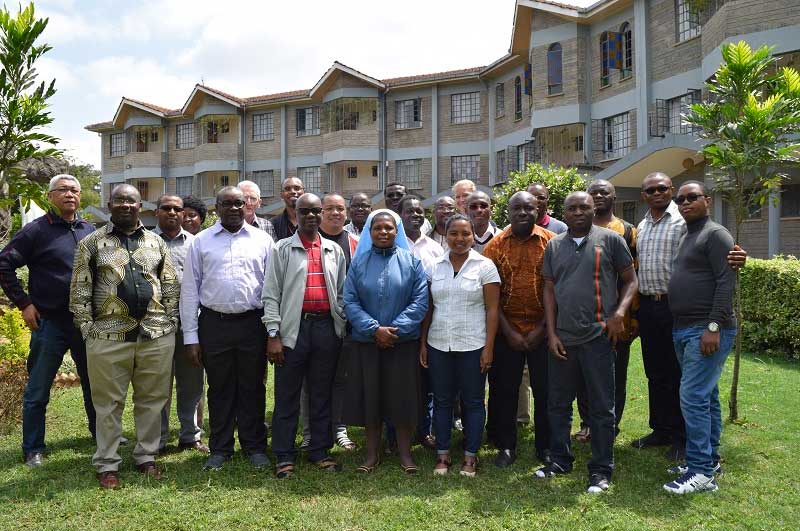
Lecture halls became spaces of encounter, research papers turned into conversations about lived realities, and scholarship was reclaimed as a tool for healing, leadership, and social transformation. From 22 to 24 October 2025, Hekima’s Fourth Annual Research Week unfolded as more than an academic event, it became a shared journey of reflection on how knowledge can respond to a rapidly changing and fractured world.
Held under the theme “Reimagining Resilience, Governance, and Social Transformation in a Changing World,” the Research Week brought together students, faculty, researchers, and partners from across disciplines and regions. In a hybrid format that welcomed both in-person and online participants, the gathering reflected Hekima’s growing identity as a crossroads of ideas, cultures, and commitments.
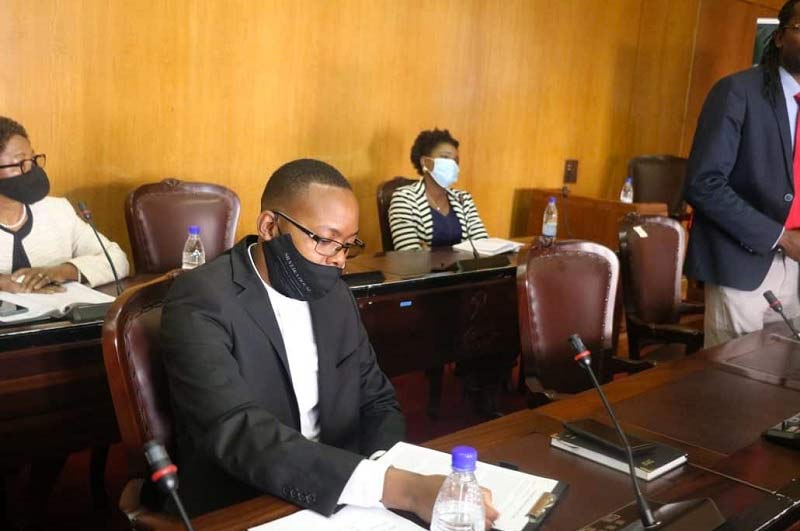
From the outset, the tone was set by students themselves. In his opening remarks, Chancy Ntelela, SMM, President of the Hekima University College Students Association, spoke of resilience not as an abstract concept but as a lived experience. Drawing from personal reflections rooted in African realities, he invited fellow students to see research as a personal and moral encounter one that challenges assumptions and calls scholars to imagine new futures beyond survival. His words captured a central conviction of the week: that research matters most when it touches life.
That conviction was echoed by Rev. Prof. Elias Opongo, SJ, Director of Research and head of the Center for Research, Training, and Publication (CRTP). Reflecting on the growth of Research Week since its inception, he described it as a vital expression of Hekima’s mission. Research, he reminded participants, is not an academic ritual performed for promotion or publication, but a vocation an ethical commitment to listen carefully, analyze rigorously, and respond courageously to the world’s pain and promise.
Through his reflections, participants were invited into the broader landscape of Hekima’s research engagement across Africa: from conflict monitoring and governance studies to women’s leadership, environmental peacebuilding, and regional early-warning systems. The message was clear ideas generated in classrooms must travel outward, shaping communities, informing policy, and restoring hope.
The official opening of the Research Week reinforced this vision. Speaking on behalf of the Principal, Rev. Dr. Marcel Uwineza, SJ, Rev. Dr. George Macharia, SJ reminded participants that the suspension of normal classes was intentional. These days of dialogue and inquiry, he said, were not a pause in learning, but its fulfillment. At Hekima, research is formative shaping not only intellects, but consciences.
As the week unfolded, that formation took many shapes. Panel discussions wrestled with questions of youth and democracy, governance and political change, faith and public life, contextual theology, and the power of language and knowledge. A special faculty–student dialogue created rare space for honest exchange, as participants questioned whether existing academic paradigms are sufficient for the crises facing Africa today and what new ways of thinking might be required.
The heart of the week, however, lay in two keynote addresses that grounded theory firmly in human experience.
Dr. Tekla Wanjala, a veteran peacebuilder, opened the Research Week with a powerful call to look beneath the surface of peace. Speaking not as a distant academic but as a witness to conflict and healing, she challenged approaches that rebuild structures without restoring relationships. Through stories from post-conflict communities in Kenya, she revealed how unresolved trauma lingers across generations, quietly undermining fragile peace. Her message was both sobering and hopeful: that true social transformation begins when societies dare to heal their inner wounds.
Later in the week, Chris Lowney, leadership expert and former Jesuit seminarian, invited participants to rethink leadership itself. In a world marked by volatility, uncertainty, complexity, and ambiguity, he argued, resilience is no longer optional. Yet leadership, he insisted, is not reserved for presidents or CEOs it is practiced daily, in ordinary choices shaped by purpose, perseverance, and compassion. Drawing unexpected connections between leadership psychology and Ignatian spirituality, Lowney offered participants a language for hope rooted in self-awareness and service.
The Research Week concluded in celebration, as the Hekima community gathered to honor recent scholarly publications by its members. The book launch was more than a formal ceremony; it was a visible reminder that research bears fruit slowly, carefully, and collectively through writing that contributes to peace, history, and social understanding across the continent.
As the final sessions came to a close, one insight lingered: that Hekima’s Research Week is not simply an annual event, but a statement of identity. It affirms a university committed to seeking depth, acting justly, and dreaming boldly. In a time when quick answers dominate public discourse, Hekima’s Fourth Annual Research Week stood as a quiet but firm insistence that thoughtful research, rooted in human dignity, still matters and that through it, more just and resilient futures can be imagined.
Connect with Hekima University College [HERE]



If you wish to make a donation by direct bank transfer please contact Fr Paul Hamill SJ treasurer@jesuits.africa. Fr Paul will get in touch with you about the best method of transfer for you and share account details with you. Donations can be one-off gifts or of any frequency; for example, you might wish to become a regular monthly donor of small amounts; that sort of reliable income can allow for very welcome forward planning in the development of the Society’s works in Africa and Madagascar.
Often it is easier to send a donation to an office within your own country and Fr Paul can advise on how that might be done. In some countries this kind of giving can also be recognised for tax relief and the necessary receipts will be issued.