
I Lost My Spot, I Lost My House, But I Did Not Lose Hope: A Mother’s Story on the Move

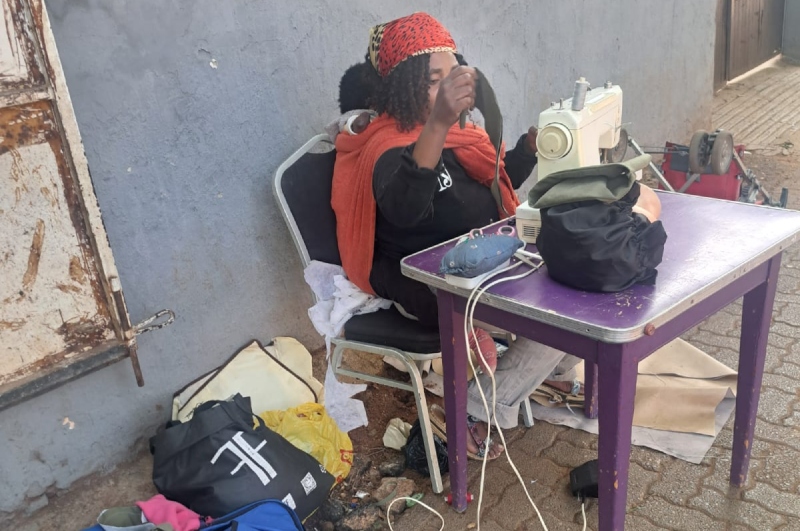


This is my story of human mobility with its pain and its hope.
Leaving Home in Search of Dignity: I left my country of origin in 2013 to look for work so that I could live with dignity. I started selling second-hand clothes on the streets of Johannesburg waking up early, standing the whole day in sun and rain. It was hard, but it was honest work.
When my daughter was born here, I was happy. But that happiness brought the most difficult part of our life. When her father saw that she is a child with multiple disabilities, he ran away. He abandoned us completely. I became both mother and father for my child, who needs special care every day.
A Circle of Challenges: I managed through selling. I paid rent, I bought food, I took care of her. Then challenges started coming one after another.
First, her health became critical. When she was admitted to the hospital, we stayed there for a long time. During that time, my asylum document expired. When we were discharged, I went to Home Affairs and explained why I could not go to renew it but no one listened to me. Since then, I have been going to Home Affairs again and again to renew my document, but without getting any help. Now I am undocumented because I was caring for my sick child in the hospital. This makes our situation more difficult for both of us. Even the hospital is now asking for my document and charging us expensive fees because I do not have valid asylum. How can I pay all the money I owe the hospital when I do not have a job?
Then came the March operations. We would hear they were coming, and we would have to run and hide our goods. They say foreigners should go to their country and we should not sell. On those days, we stay home with no income.
Then, on 30 June 2026, I lost my selling spot. I went to the place where I had sold for almost ten years and found someone else there. They took my spot because I am a foreigner. I sat with no sales. Without a job, it became very difficult to take care of my daughter and myself.
Because I could not sell, I could not pay my rent. The landlord closed my house, locked my things inside, and I was kicked out. I did not know where to go with my daughter. How do you walk the street with such a child and no place to go?
By God's grace, one sister saw us and kept us in the meantime while we look for our own place. I am a mother stuck in a circle: no papers, no proper help at the hospital, no job, no house and with the condition of my child, who depends on me alone since her father abandoned us.
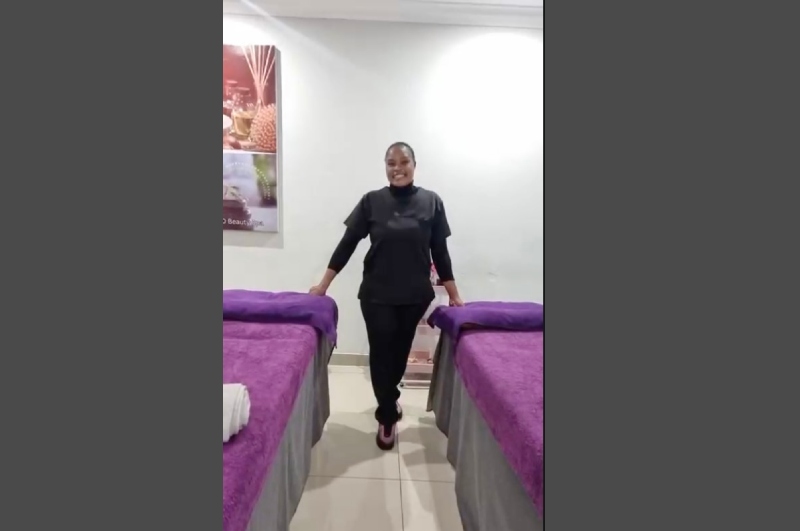
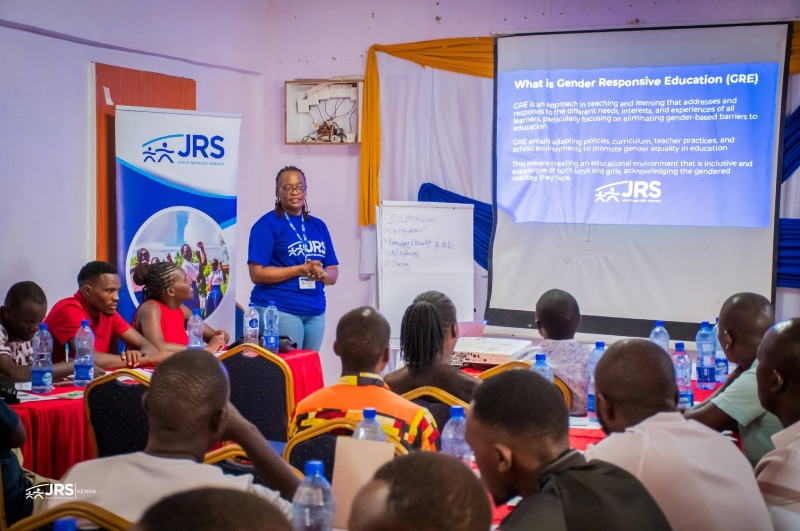
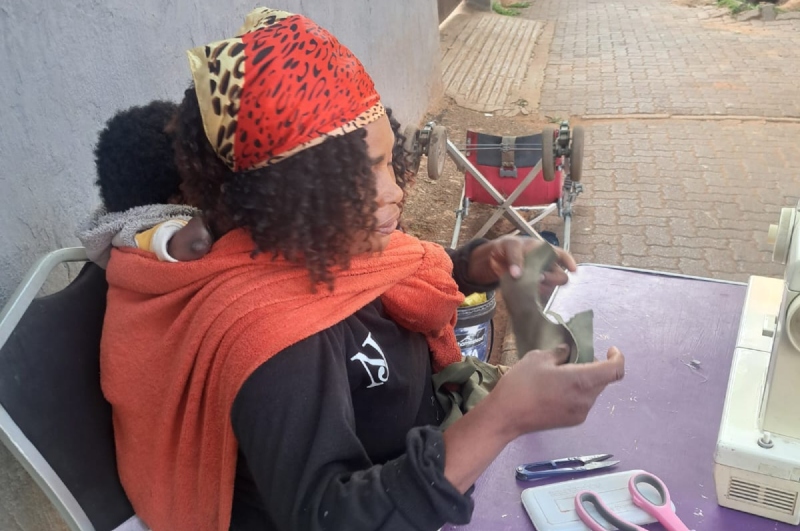
A Reason to Keep Going: With the Jesuit Refugee Service (JRS) support, I did not give up. That psychosocial support helped me. I joined a sewing class. My trainers heard my story and blessed me with a small used machine. Now I do alterations and mending outside a shop. I am just starting, and business is slow because people do not know me as a tailor yet. But I can sit and work while watching my daughter.
JRS Accompanying Migrants and Refugees Across Africa
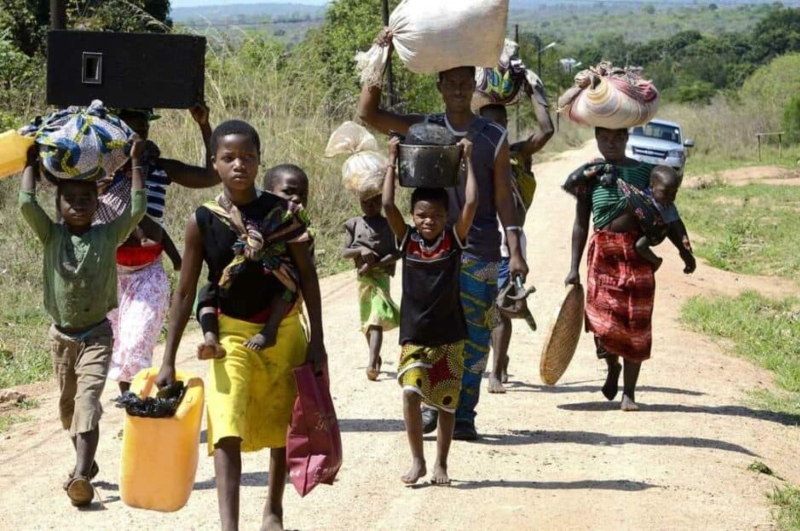
The Jesuit Refugee Service has been walking alongside refugees, migrants, and internally displaced people across Africa for more than four decades. What began in the early 1980s as a response to famine and displacement in Ethiopia has grown into a vast network of hope spanning Eastern, Southern, Western, and Central Africa. From the crowded camps of Kakuma and Dzaleka to urban centres like Johannesburg and Bujumbura, JRS remains present where the need is greatest.
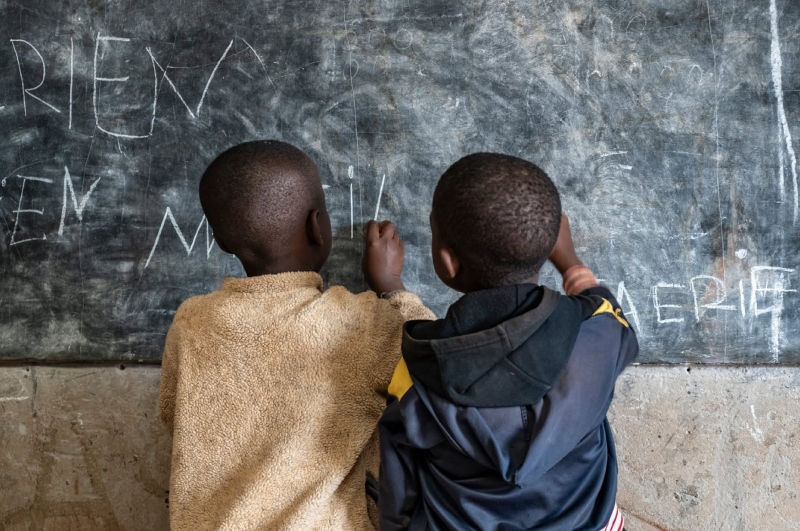
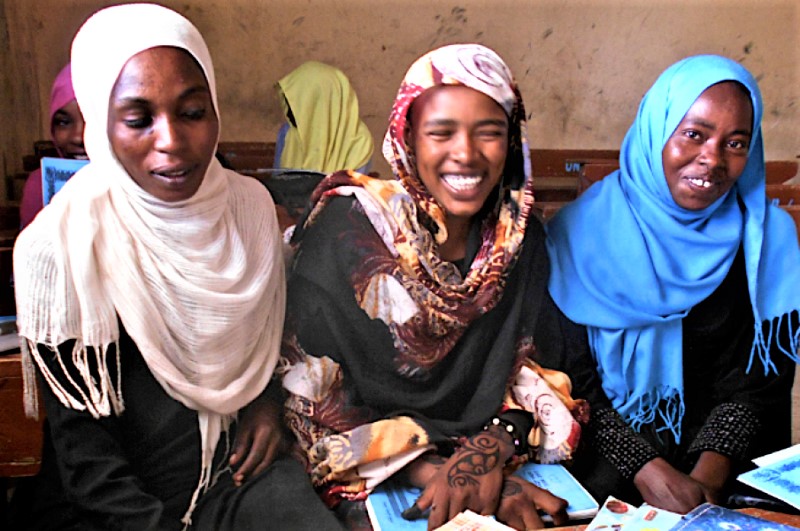
The work is rooted in a simple but profound commitment: to accompany, serve, and advocate for those forced to flee their homes. This means providing education to children who have known only conflict, offering livelihood training to women seeking independence, and creating safe spaces where displaced people can heal and rebuild. It also means listening to what people say they need, as one refugee in the Central African Republic put it, "We want more than just receiving, we want to share our thoughts with you".
In a region where millions remain displaced and humanitarian funding continues to shrink, JRS remains a steadfast presence. The mission continues, one life at a time, across the continent.
To support the work of Jesuits on Migrants and Refugees visit the JRS Website [HERE]