
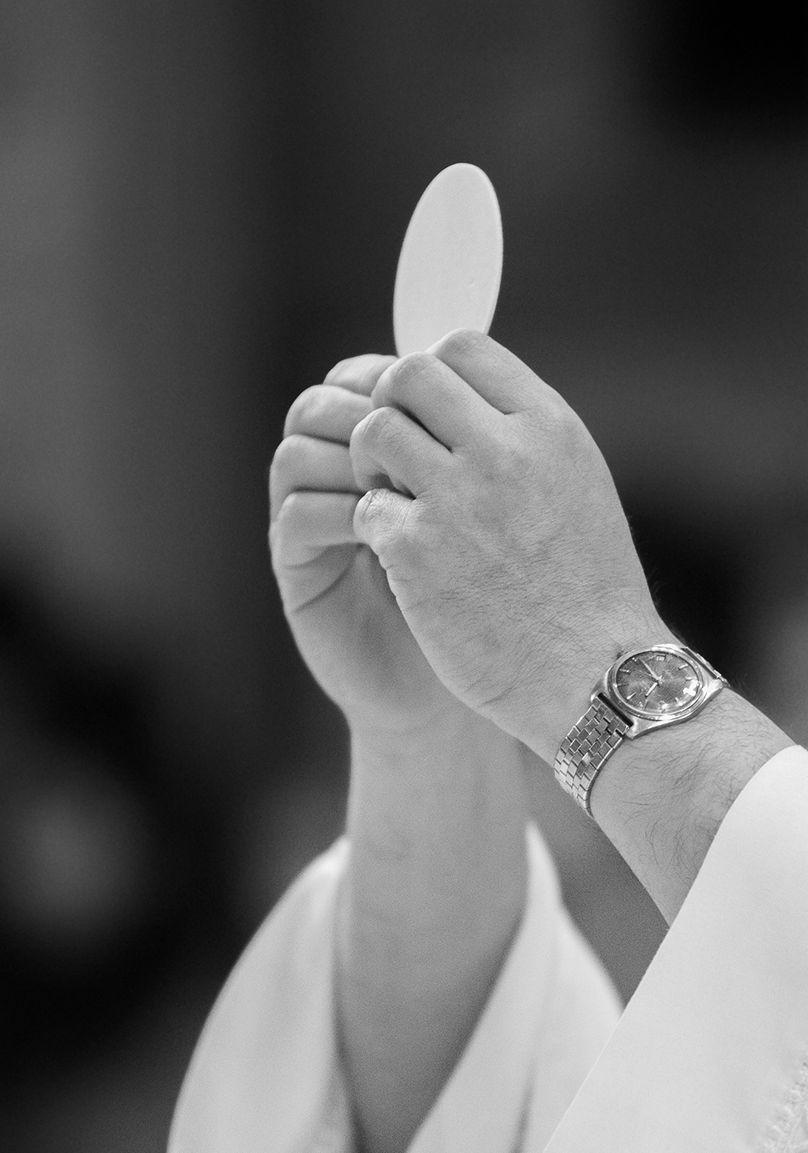
Hekima University College on World Day of Migrants and Refugees

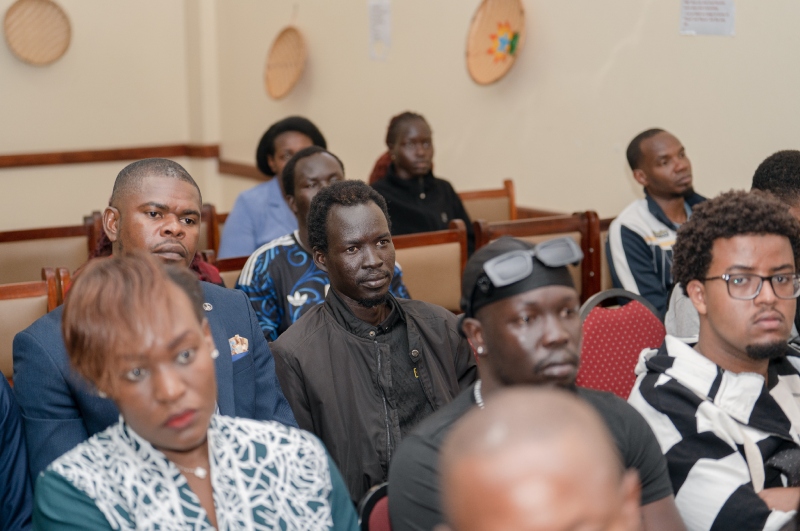
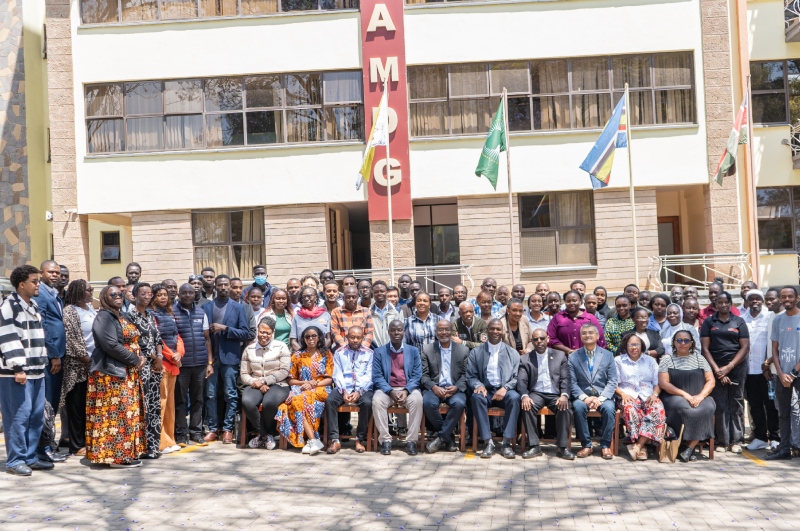


The hybrid event brought together nearly 80 participants in person and about 30 online, including HUC staff and students, Jesuit companions and partners in mission, and representatives of the International Organization for Migration (IOM) and the Jesuit Refugee Service (JRS).
The Catholic Church has observed the World Day of Migrants and Refugees on the last Sunday of September since 2019. The origins of the celebration reach back to 1914, when Pope Pius X invited Christians to pray for migrants. A year later, Pope Benedict XV established the Day of the Migrant to support pastoral work for Italian emigrants. In 1952, the Church called for the celebration to be included in the liturgical calendar. Pope John Paul II issued the first annual message for the occasion in 1985, focusing on the challenges of human mobility. In 2004, the Pontifical Council for the Pastoral Care of Migrants and Itinerant People extended the observance to include refugees, giving it its current name.
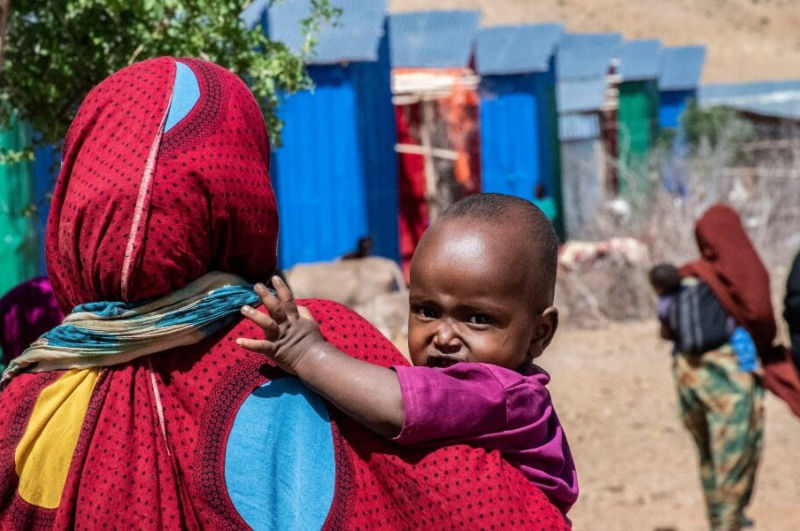
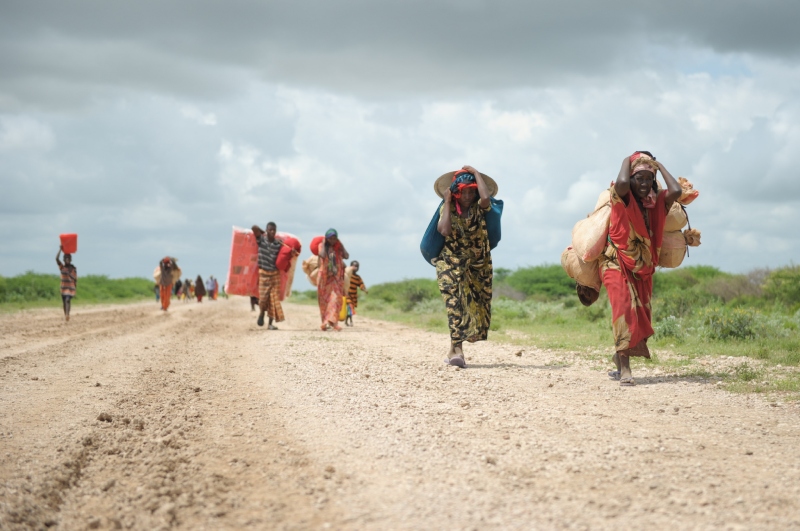
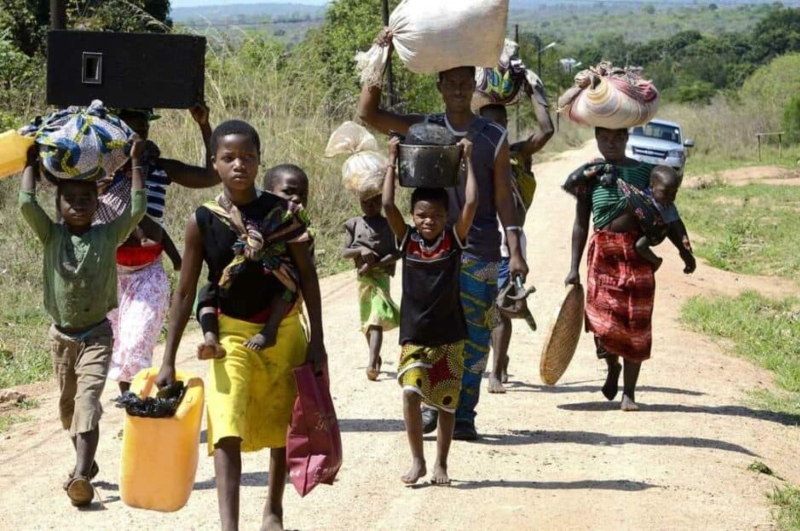
This year's celebration was held under the theme "Even Just One of These Children," drawn from Matthew 18:5, drawing attention to the vulnerability and dignity of children on the move. The keynote speaker, Mario Almeida of the Dicastery for Promoting Integral Human Development, joined the event virtually. Reflecting on the theme and on Pope Leo XIV's 2026 message for the World Day, he highlighted the plight of children on the move and the grave dangers they face along migratory routes. Many minors lose their lives during journeys, while others experience sexual violence, exploitation and other forms of abuse. His presentation reminded participants that behind statistics and migration policies are real children whose lives, dignity and future are at stake.
Rev. Dr Andrew Kaufa, Secretary General of the Association of Member Episcopal Conferences in Eastern Africa (AMECEA), addressed the theme "Welcoming the Stranger: The Church's Pastoral Response to Migration and Refugee Realities in the AMECEA Region." He highlighted the major factors driving migration and forced displacement in the region, including conflict, climate change, hunger and the dangers associated with irregular migration routes. He offered a broad overview of the realities facing people on the move and reflected on the pastoral initiatives of the Church across the AMECEA region in responding to their suffering and vulnerability.
Dr Christopher Omolo, a member of the HUC School of Arts and Sciences, examined the socio economic and geopolitical dynamics of migration, including some of its root causes. He commended the Jesuits and their partners in mission, particularly the Jesuit Refugee Service, for their longstanding commitment to accompanying, serving and advocating for refugees and forcibly displaced people. At the same time, he challenged participants to examine carefully what it really means to welcome another person. Reflecting on this year's Gospel theme, he warned that welcoming a child does not mean domesticating them under paternalistic systems.
His intervention was particularly significant in the context of the 75th anniversary of the 1951 Geneva Convention relating to the Status of Refugees. He called for responses to refugees and forcibly displaced people that go beyond charity towards approaches that are transformative and that actively promote and protect human dignity. He urged participants to use the anniversary not simply to look back at the millions of lives that have been saved, but to look forward to a world where no one is stripped of their dignity in order to save their life.
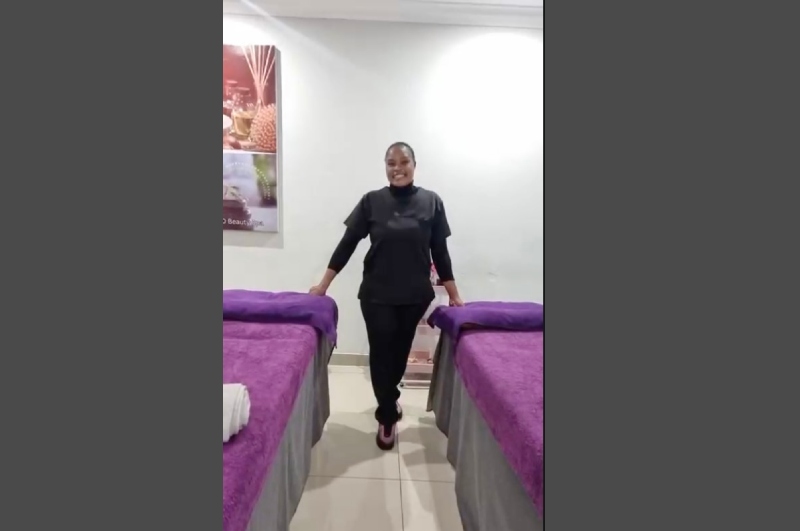
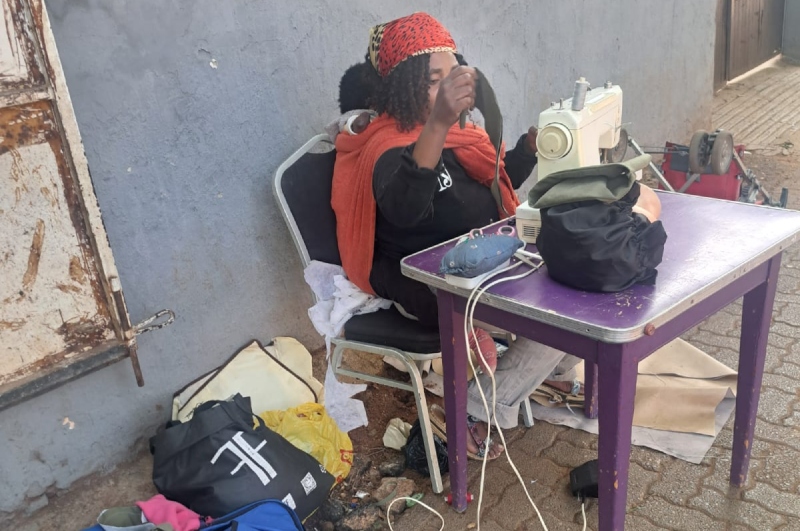
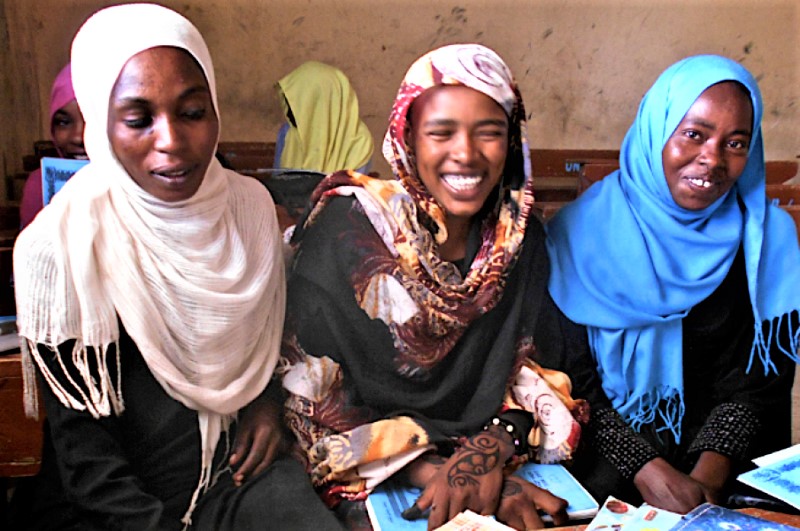
Before the question and answer session, four beneficiaries of the HUC School of Arts and Sciences shared their personal experiences and offered reflections drawn from their journeys. Their testimonies provided a powerful reminder that seemingly small contributions can have a profound impact. The work of Jesuit ministries such as Jesuit Refugee Service (JRS), Jesuit Worldwide Learning (JWL) and Hekima University College (HUC), together with their partners in mission, is helping to transform lives, restore hope and create opportunities for people whose lives have been disrupted by displacement.
One of the most striking insights emerging from the discussion was that education restores what displacement takes away. Education can restore not only knowledge and skills, but also confidence, dignity, agency and hope for the future. Yet education and other services remain inaccessible to many displaced people because of another fundamental obstacle, which is documentation. Without the necessary documentation, access to education, healthcare, employment and other essential services can become extremely difficult, if not impossible.
In his closing remarks, the Dean of the HUC School of Arts and Sciences, Rev. Dr Ludovic Lado SJ, expressed gratitude for the presence and participation of so many people. He challenged participants not simply to reflect on the theme of the 2026 World Day of Migrants and Refugees, but to translate that reflection into concrete action. In particular, he called for a continent where no African is made to feel unwelcome or treated as a stranger in Africa.
That challenge captures something essential about this year's theme. "Even Just One of These Children" is not simply an invitation to notice the many children affected by migration and displacement. It is an invitation to notice the one person before us, the child, the refugee, the migrant, the displaced person whose dignity demands our attention.
The HUC celebration reminded participants that meaningful welcome cannot stop at providing temporary assistance. It must seek to accompany, protect, empower and restore dignity. It means creating pathways to education, addressing the barriers created by lack of documentation, listening to the voices of migrants and refugees themselves, and challenging systems that leave people vulnerable.
Ultimately, the call of the Gospel is profoundly simple. It is to see the person whom others may overlook, to welcome the one whom others may reject, and to recognise in that one person the presence and dignity of a child of God. On the eve of the World Day of Migrants and Refugees, HUC offered a timely reminder that even just one child matters, and our response to that one child says something about who we are as a Church, as a society and as a human family.