

Forming Synodal Pastoral Leaders in Uganda: A National Journey of Formation, Transformation, and Mission

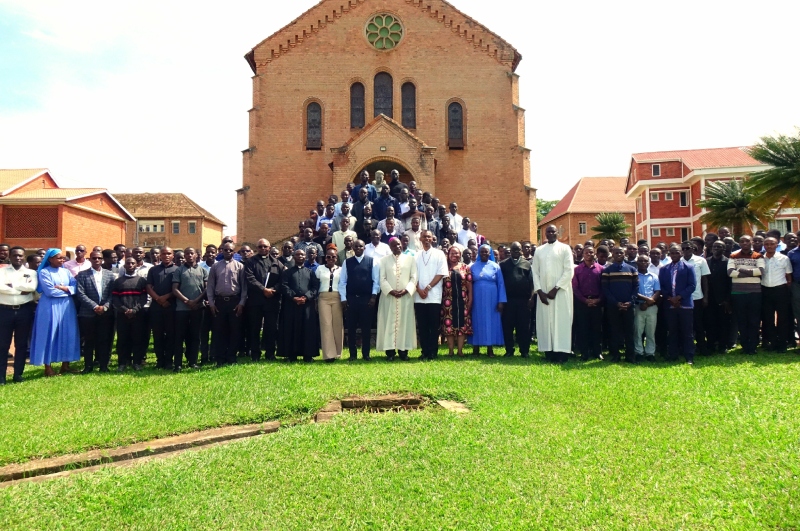


Following a highly successful formation programme on synodality in October 2025 at Uganda Martyrs National Major Seminary, Alokolum-Gulu, ASI was invited to St. Thomas Aquinas National Major Seminary, Katigondo, for a two-day formation workshop held on 9–10 April 2026. ASI has now covered the 2 national philosophical seminaries in Uganda, significantly advancing the bishops’ mandate and strengthening institutional capacity for synodal formation.
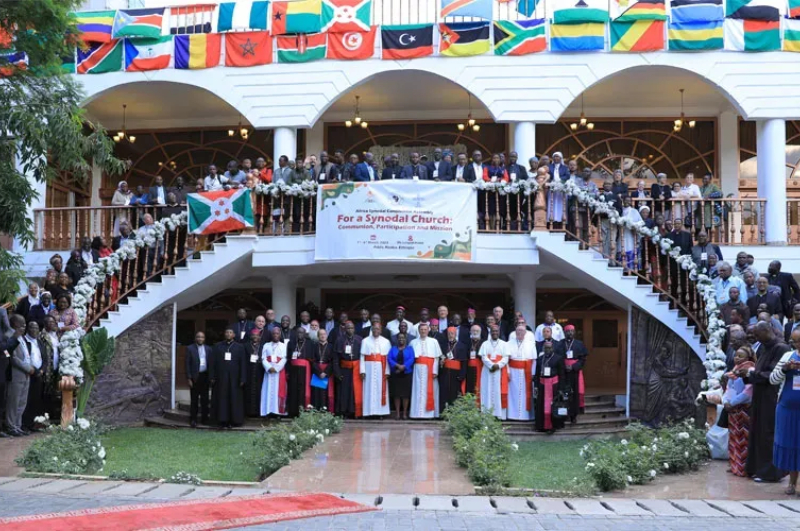
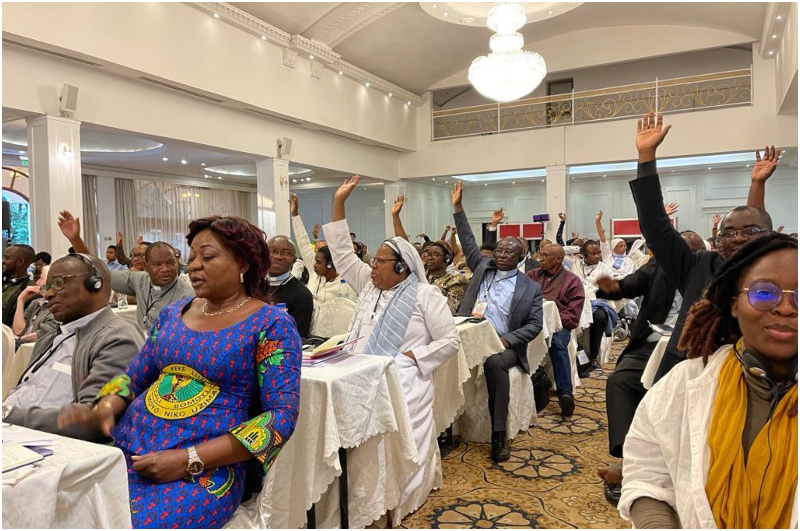
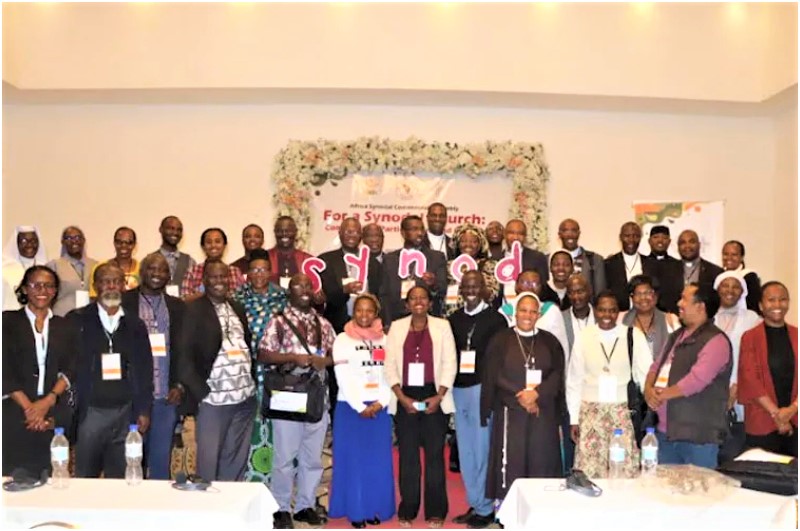
The workshop brought together 291 participants, including 264 seminarians from 19 dioceses, priests, religious sisters, lay women, and Bishop of Masaka, Rt. Rev. Serverus Jjumba, reflecting the very synodal vision of communion and participation it sought to promote .The programme focused on the theological foundations of synodality, its pastoral implications, and practical tools such as Conversation in the Spirit, a method of communal discernment rooted in prayer, listening, and dialogue.
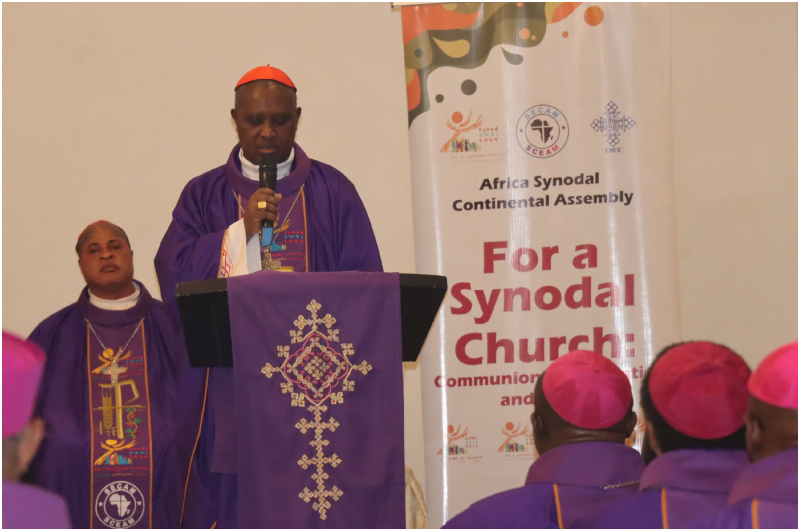
The workshop was structured around the theme “For a Synodal Church: Communion, Participation, and Mission.” This programme moved beyond theoretical instruction to immersive experience. Participants engaged in case studies, role plays, plenary discussions, and guided discernment exercises that connected synodal principles to lived pastoral realities in Uganda. Central themes included shared responsibility in Church leadership, the inclusion of marginalized voices, the role of women, and the importance of listening as the foundation of authentic ecclesial life.
The immediate outcome of the workshop is clearly evidenced in both quantitative and qualitative outcomes. Pre- and post-assessment data show a significant improvement in participants’ understanding of synodality, with average scores rising from 63.7% to 75.2%, representing 11.5%i ncrease . Notably, the big shift was in the appreciation of listening as central to synodality, which increased by 34.2%. Understanding of synodality as a continuous process, rather than a one-time event, also improved markedly (+16.4), alongside gains in recognizing the importance of journeying together (+15.6) and shared mission (+16.1).
Beyond statistics, the deeper transformation lies in attitudinal and pastoral shifts. Participants moved from seeking conceptual knowledge to expressing concrete behavioral commitments. Phrases such as “listen more and speak less,” “journeying together,” and “togetherness is key” emerged consistently, indicating a profound internalization of synodal values . Seminarians demonstrated increased openness to collaborative leadership, respect for diversity, and a growing awareness of the equal dignity of all the baptized.
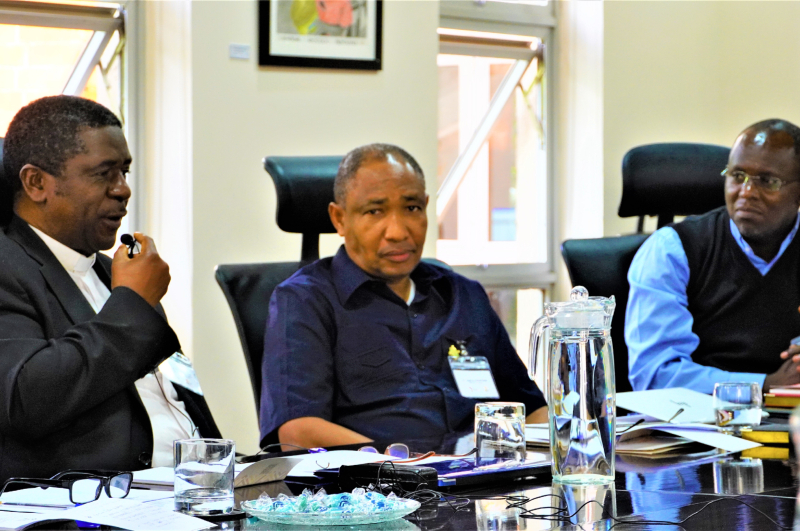
The workshop also fostered a renewed sense of community within the seminary. The mixed group interactions between staff and seminarians helped break down hierarchical perceptions, reinforcing the understanding that formation is a shared responsibility. The presence and active participation of seminary leadership and the Bishop of Masaka further underscored institutional commitment to embedding synodality in priestly formation.
Importantly, the Katigondo experience highlighted Africa’s unique contribution to the global synodal journey. Concepts such as Ubuntu,“I am because we are” resonated deeply with synodality’s emphasis on communion, offering a pathway culturally rooted for its lived expression. Participants recognized that synodality is not just an imported framework but a concept that naturally aligns with African communal traditions.
While the workshop achieved significant success, it also revealed areas for ongoing formation, particularly in clarifying decision-making structures and ensuring sustained implementation. The need for continued accompaniment, practical application frameworks, and integration of synodality into seminary curricula remains critical.
The Katigondo workshop represents more than a training event; it marks a decisive step in forming pastoral leaders capable of leading a listening, participatory, and mission-oriented Church. As one participant aptly summarized, “You have moved us beyond a sharing of documents to communion, participation and mission” . In fulfilling the bishops’ mandate and expanding its footprint across Uganda’s seminaries, ASI is not only transmitting knowledge but catalyzing a cultural and spiritual transformation, one that will shape the future of the Church in Africa and beyond.
See the ASI Website link {HERE}