

Healing Our Common Home: ANW Jesuits Respond to Environmental Challenges Across West Africa



Covering Nigeria, Ghana, Liberia, Sierra Leone and The Gambia, the ANW Province of the Society of Jesus has embraced care for creation as a central dimension of its mission. Inspired by Pope Francis’ encyclical Laudato Si’ and guided by the Universal Apostolic Preferences of the Society of Jesus, Jesuits across the Province are integrating ecological responsibility into education, pastoral ministry, social outreach and community development initiatives.
Environmental Challenges Threatening Communities
The environmental realities confronting communities across the Province vary from country to country, yet they share a common impact: deepening the vulnerability of already marginalised populations.
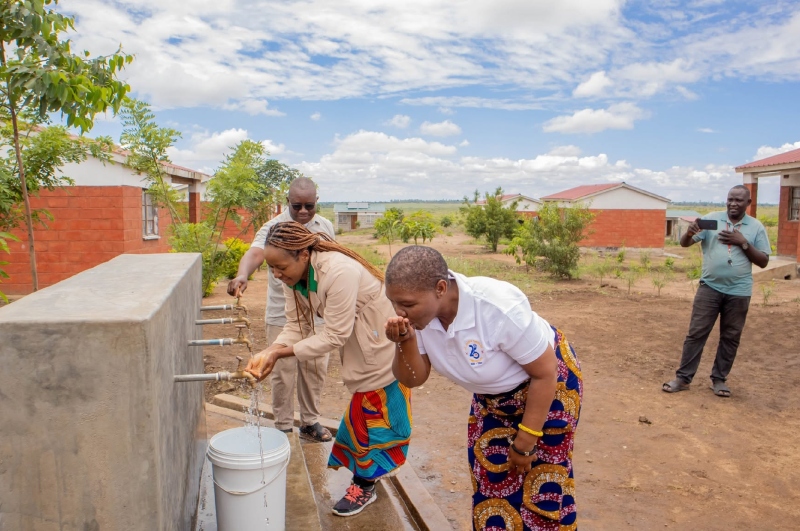
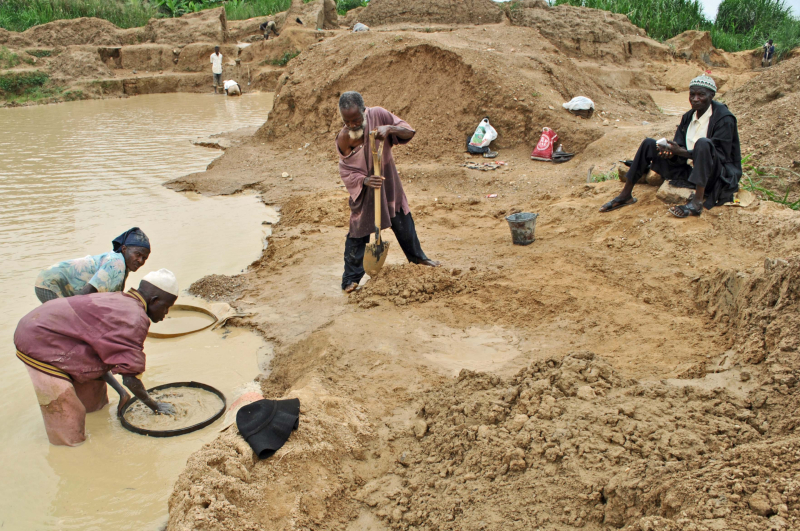
In northern Nigeria, terrorism, desertification and prolonged droughts continue to undermine agricultural productivity and food security. Along Ghana’s coastline, rising sea levels, coastal erosion and saltwater intrusion threaten livelihoods and access to freshwater. Liberia and Sierra Leone face growing concerns over deforestation, unsustainable mining activities and biodiversity loss, while flooding and poor waste management affect both urban and rural communities throughout the region.
These interconnected challenges disproportionately affect low-income communities, increasing poverty, displacement and insecurity.
Forming Ecological Awareness
One of the key responses of the ANW Jesuits has been the promotion of environmental education and awareness. Through schools, parishes, social centres and institutes, Jesuit ministries are helping young people and local communities understand the urgent need for environmental stewardship.
In May 2023, the Xavier Jesuit Institute (XJI) in Ijebu-Ode, Nigeria, organised a Laudato Si’ Mini Art Exhibition that brought together primary and secondary school pupils to reflect on ecological responsibility through art and public engagement. The initiative sought to deepen awareness of environmental challenges while encouraging practical action.
Similarly, in 2024, the Arrupe Jesuit Institute (AJI) at Atomic Hill, Ghana, intensified its advocacy and public education efforts on environmental justice, governance and social accountability. Through seminars, workshops and community campaigns, participants explore themes such as climate change, biodiversity conservation, waste management, renewable energy and sustainable lifestyles.
By investing in ecological education, Jesuit institutions aim to form a new generation of leaders capable of recognising the profound connection between human well-being and the health of the planet.
Promoting Sustainable Agriculture
Agriculture remains the backbone of many communities within the Province, yet changing rainfall patterns, soil degradation and extreme weather events are increasingly threatening food production.
In response, Jesuit ministries, particularly the Agroecological Centre of Xavier Jesuit Institute, are promoting climate-smart agricultural practices. Working alongside local communities and partner organisations, these initiatives encourage agroforestry, organic farming, soil conservation, water harvesting and crop diversification.
Such approaches help farmers adapt to climate variability, improve food security and strengthen household resilience in the face of environmental uncertainty.
Advocating for Ecological JusticeBeyond local interventions, ANW Jesuits are actively contributing to public conversations on environmental justice and sustainable development.
Through institutions such as AJI, XJI, Jesuit colleges and the Jesuit Refugee Service (JRS), the Province advocates for policies that protect forests, water resources and biodiversity while ensuring equitable access to natural resources. Particular attention is given to countries where extractive industries, including mining and oil exploration, have contributed to environmental degradation and social disruption.
By raising awareness of the human and ecological costs of unsustainable practices, Jesuit institutions support affected communities in their pursuit of justice, accountability and responsible environmental governance.
Empowering Communities from Within
Community empowerment remains at the heart of the Jesuit response. Rather than imposing external solutions, Jesuit ministries accompany local communities in identifying environmental challenges and developing responses suited to their specific contexts.
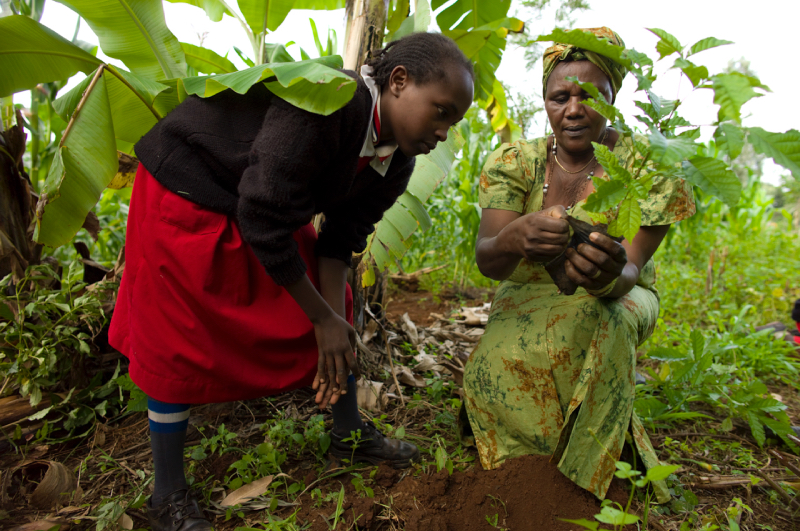
Across the Province, programmes support tree-planting initiatives, alternative livelihood opportunities, improved waste management systems and community-based disaster preparedness measures. These participatory approaches enable communities to become active custodians of their environment while building resilience against future environmental shocks.
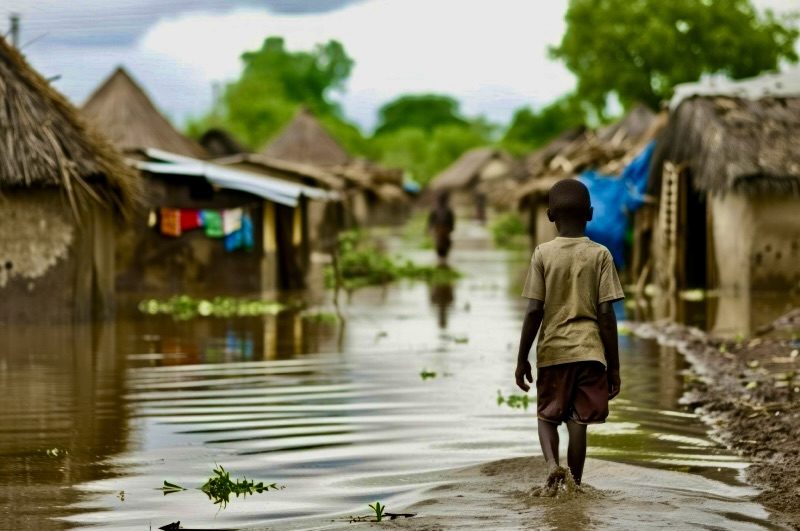
Supporting Communities in Times of CrisisEnvironmental disasters continue to displace families and destroy livelihoods throughout the region. Floods, droughts and severe storms regularly leave vulnerable populations in urgent need of assistance.
Through parish networks, social ministries, JRS programmes and partnerships with humanitarian organisations, the ANW Province provides emergency support to affected communities. This assistance includes food distribution, temporary shelter, psychosocial care, educational support and livelihood restoration initiatives aimed at helping families rebuild their lives.
Modelling Sustainable LivingThe commitment to ecological conversion is also reflected within Jesuit institutions themselves.
Schools and communities across the Province are increasingly adopting environmentally sustainable practices, including tree planting, recycling, energy conservation, rainwater harvesting and responsible consumption. Institutions such as Loyola Jesuit College in Abuja, Jesuit Memorial College in Port Harcourt and St Francis Secondary School in Lagos continue to expand tree-planting campaigns and utilise solar-powered facilities as part of their commitment to sustainability.
By leading through example, these institutions encourage students, parishioners and community members to embrace more environmentally conscious lifestyles.
A Mission Rooted in Faith and Justice
For the ANW Jesuits, concern for the environment is inseparable from the promotion of justice and human dignity. Environmental degradation not only damages ecosystems but also exacerbates poverty, inequality, displacement and social vulnerability.
Through education, advocacy, sustainable development programmes, humanitarian action and spiritual accompaniment, the Jesuits of North-West Africa are helping communities adapt to environmental challenges while nurturing hope for a more sustainable future.
As climate and environmental pressures continue to intensify across the region, the Province remains steadfast in its commitment to walk with vulnerable communities, empowering them to protect and heal our common home for generations to come.
Originally appeared on the Jesuit North-West Africa Province website [HERE]