
From Listening to Living Synodality: Synodal Experience in Lesotho

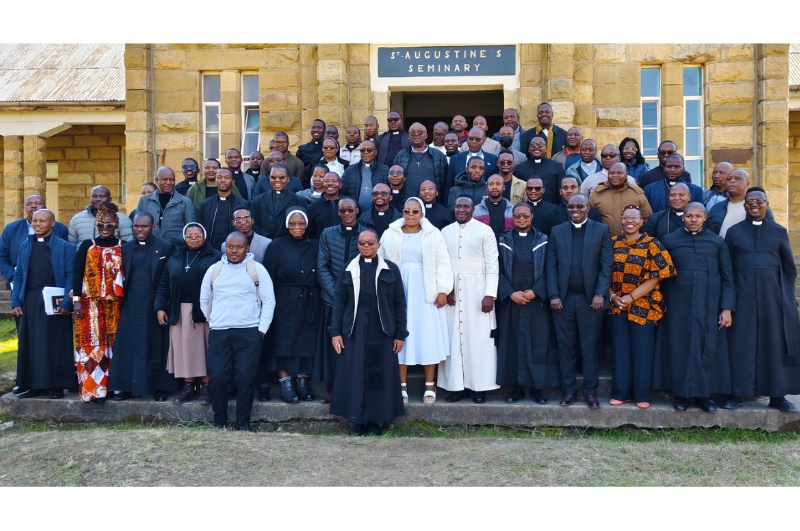
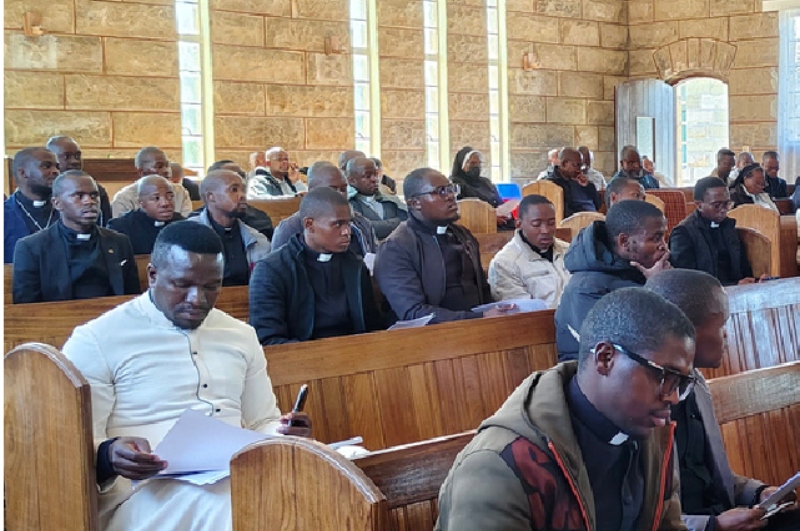


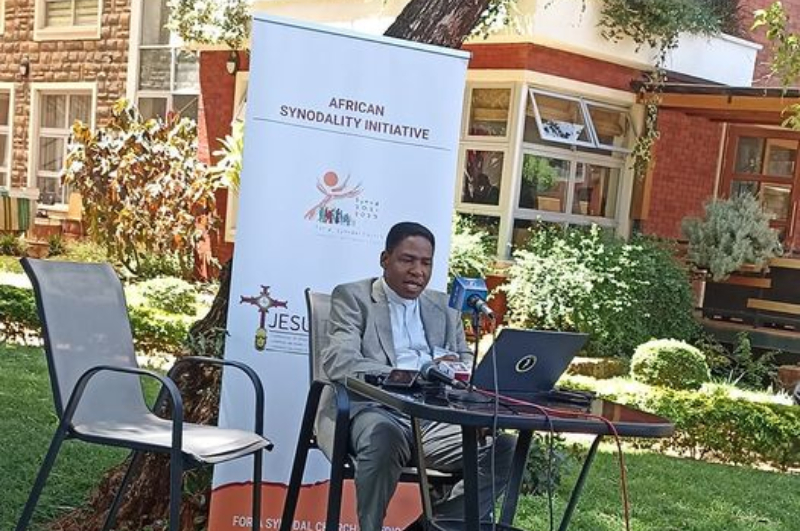
The workshop formed part of ASI’s continuing accompaniment of local Churches and formation church institutions in Africa in receiving and living the fruits of the Synod on Synodality. This workshop was facilitated by ASI’s Director Rev. Fr. Agbonkhianmeghe E. Orobator S.J, ASI’s Associate Director Rev. Fr. Marcel Uwineza S.J and Ndanu Mung’ala.
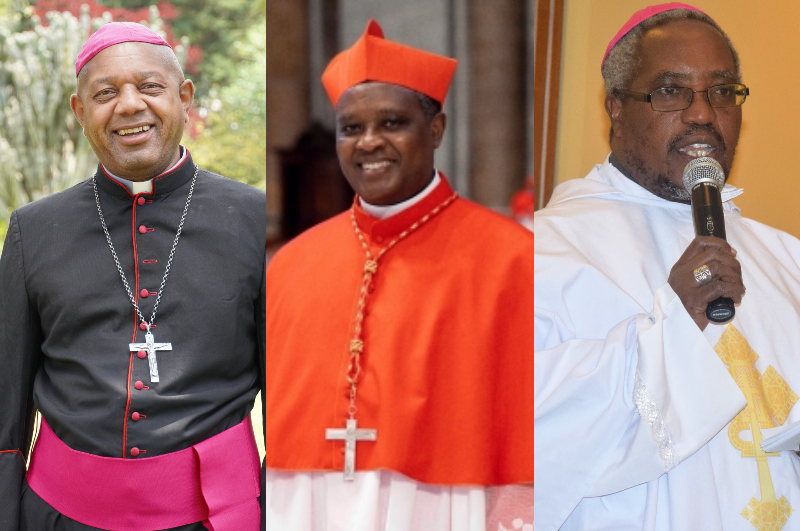
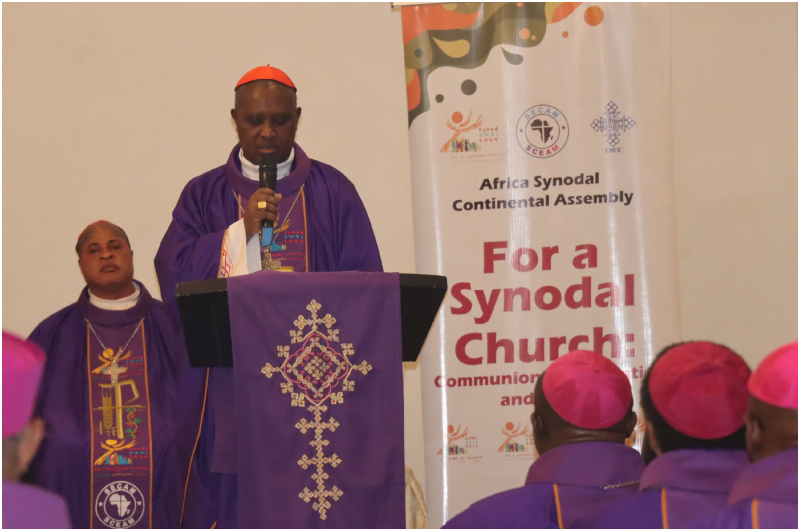
The presence of Archbishop Gerard Tlali Lerotholi, OMI, Metropolitan Archbishop of Maseru; Bishop Joseph Mopeli Sephamola, OMI, President of the Catholic Bishops’ Conference of Lesotho; and Bishop John Joale Tlhomola, SCP, brought a strong sense of ecclesial communion to the gathering. In his opening challenge, Archbishop Lerotholi asked a question that captured the purpose of the workshop: “How do we bring synodality into our daily lives? What is our modus vivendi?”
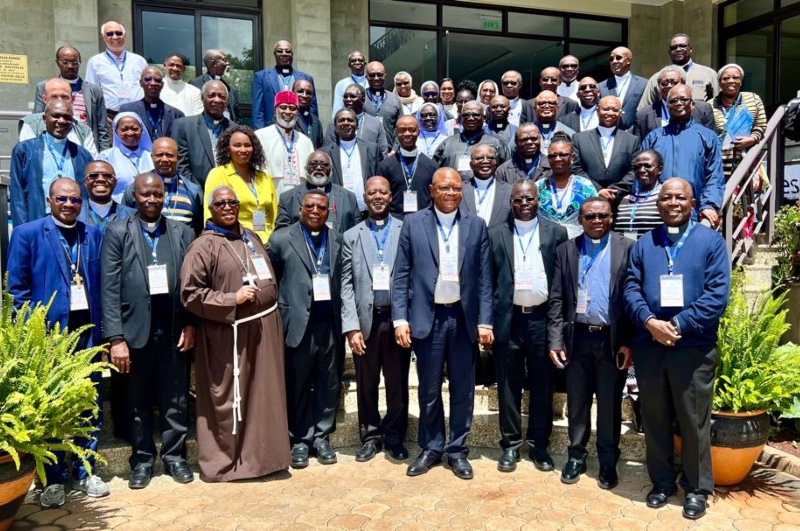
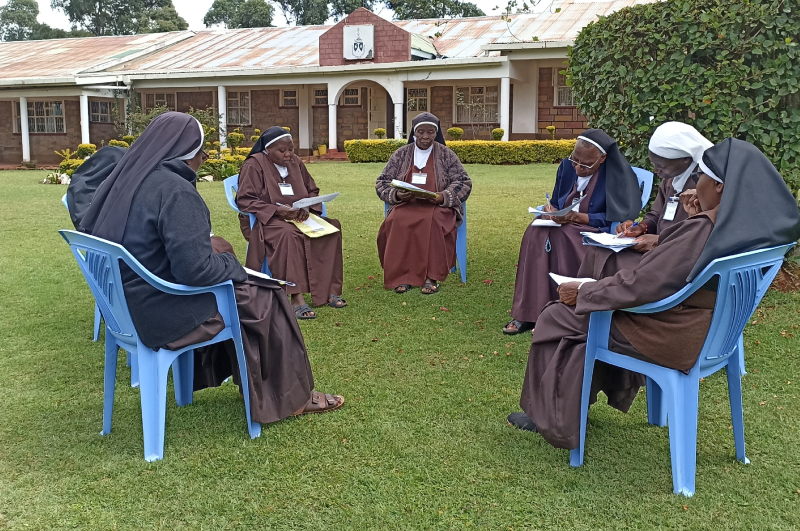
The programme sought to answer that question through prayer, theological reflection, case studies, role-play and, especially, Conversation in the Spirit methodology that was aninamted by Ms. Caroline Kavita. Participants were invited not simply to learn about listening and discernment, but put everything in practice, speaking honestly, listening attentively, welcoming difference and seeking together what the Spirit might be saying to the Church.
The assessment findings provide evidence that this approach made a difference. The average knowledge score increased from 73.3% before the workshop to 78.5% afterwards, while the proportion achieving high mastery rose from 22% to 37%. Yet the most revealing signs of change came through participants’ own words.
Before the workshop, Conversation in the Spirit was often described generally in terms of prayer, listening and openness. Afterwards, participants spoke more precisely of prayerful listening, honest speaking and communal discernment, emphasising that the purpose is not to win an argument but to discern together.
One phrase emerged repeatedly: “Listen more and speak less.”
For the facilitators, this captured something fundamental about the synodal conversion. Participants also spoke of co-responsibility, the equal dignity of all the baptised, and the importance of making room for the voices of women, young people and those often unheard. Discussions were grounded in the realities of the Church in Lesotho, including poverty, patriarchal attitudes, cultural practices, the nomadic life of shepherds and the challenge of Church structures operating in silos.
The workshop also made clear that synodality is a journey still requiring deeper formation. While participants embraced the principle of shared responsibility, understanding of how decision-making is actually shared between bishops, priests and the wider People of God remained an area requiring continued work. Another significant gap was listening across disagreement. This points to the work ahead. The facilitators recommend continued accompaniment, stronger formation of seminary formators and lecturers, practical case-based learning, and mechanisms for assessing whether synodality is becoming embedded in pastoral and formation practice.
For Lesotho, the significance of the gathering extends beyond the 2 days in Roma. St. Augustine’s is the country’s sole major seminary and plays a critical role in preparing future pastoral leaders. Strengthening synodal formation within the institution therefore has the potential to influence the wider ecclesial culture of the country for years to come.
Perhaps the most telling sign came not from a formal session, but from the seminary’s dining hall. After the first day, the seating arrangement was changed to encourage a more synodal style of gathering. It was a small adjustment, but it captured the larger invitation of the workshop: synodality begins when the way we listen, relate and make decisions begins to change.
The challenge now is to ensure that what began in Roma continues in seminaries, parishes, dioceses and communities. Synodality is not simply something the Church has learned about. It is something the Church is learning to live.