
Walking Together in Hope: The Seed of Synodality Takes Root in Liberia

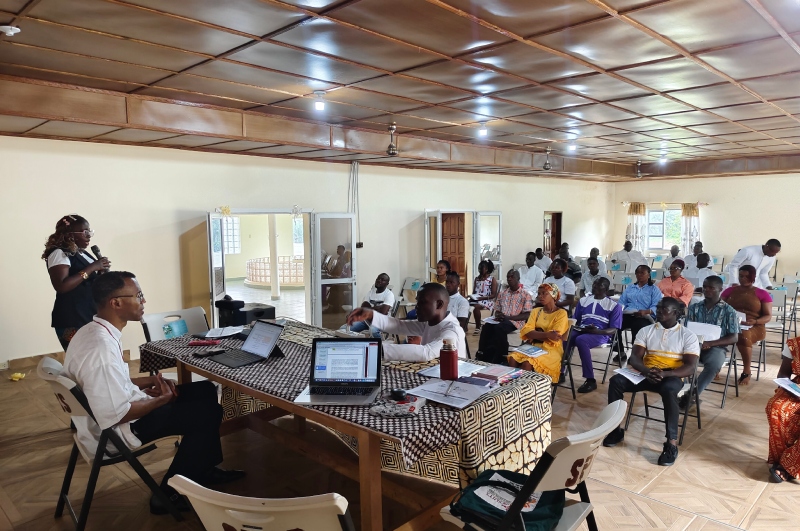
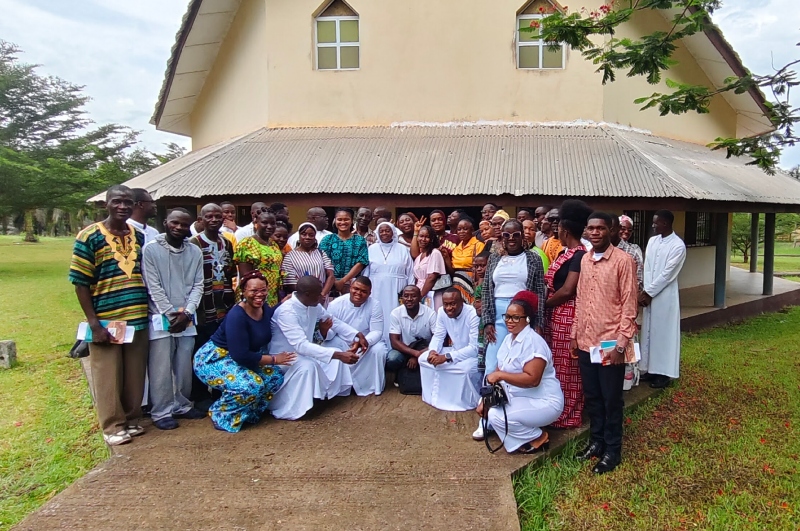


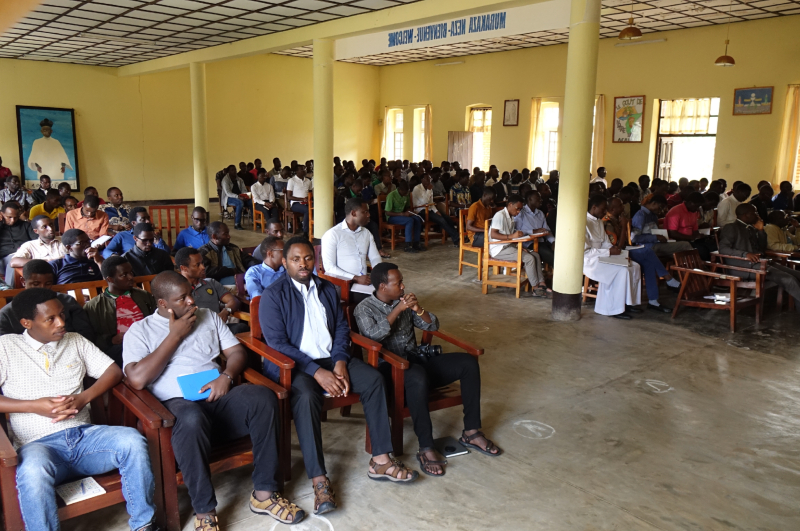
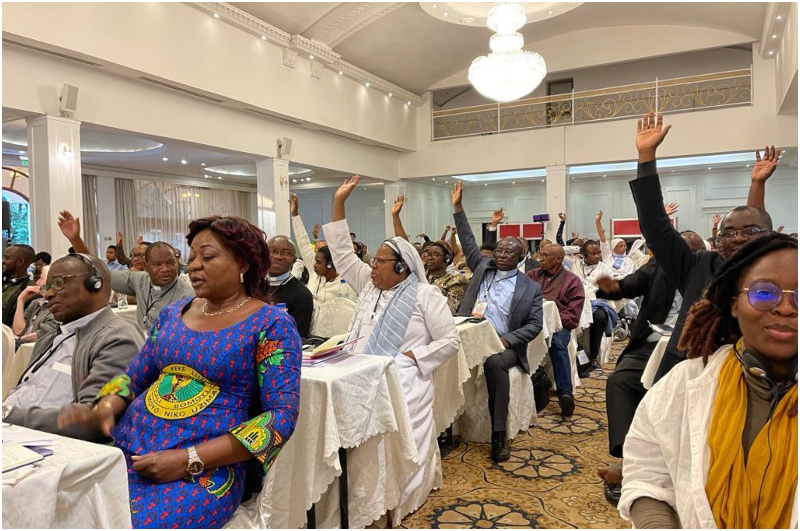
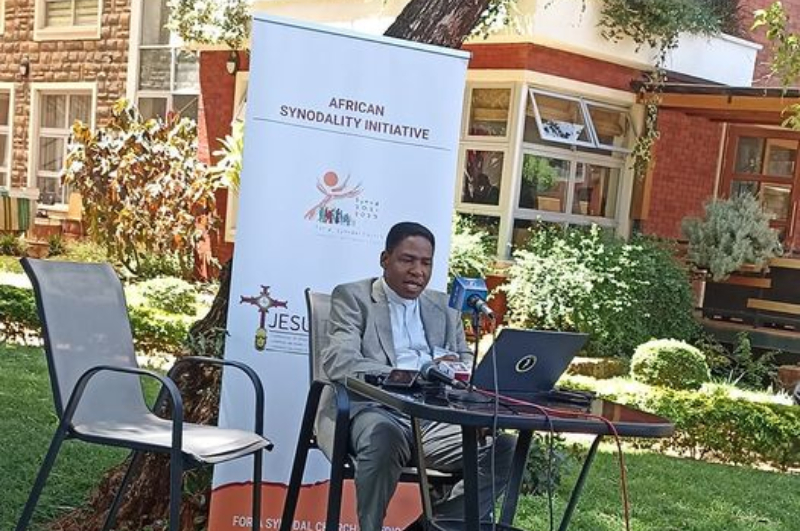
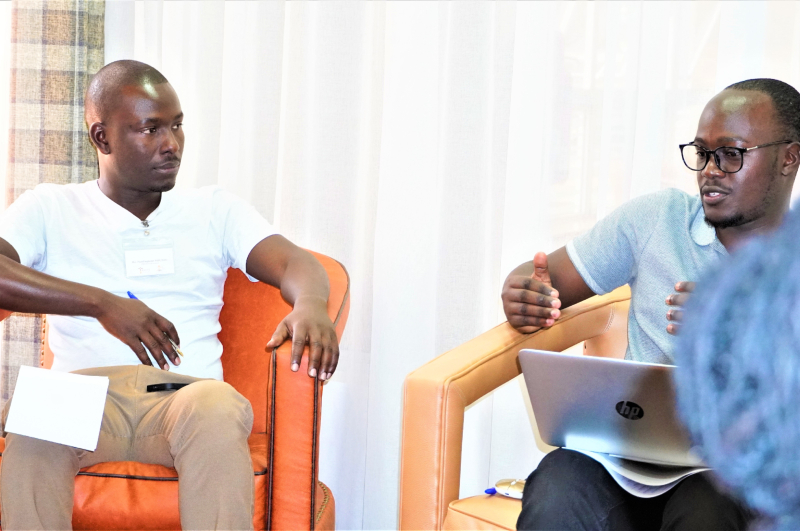
On May 30–31, 2026, the African Synodality Initiative (ASI), in collaboration with St. Paul College Major Seminary, hosted a transformative synodal gathering in Gbarnga. The event brought together a diverse group of 59 participants—19 seminarians, 7 seminary staff, and 33 laypeople from the Diocese of Gbarnga, for a one-and-a-half-day workshop that was as much a spiritual journey as an educational one.
The workshop, a direct follow-up to a successful event in Uganda earlier in the year, sought to demystify synodality and ground it in the lived realities of the Liberian Church. The diversity of participants, spanning different vocations, ages, and experiences, proved to be one of the event's greatest strengths. It created a microcosm of the synodal Church itself, where varied perspectives converged around a shared desire to understand how the Church can become more inclusive, missionary, and truly participatory.
The Spiritual Discipline of Listening
Fr. Agbonkhianmeghe E. Orobator, SJ, opened the proceedings by posing a profound question: What does synodality mean? As the discussions unfolded, a clear and resounding theme emerged: synodality begins with listening.
Participants were invited to move beyond the concept of listening as a simple technique, instead recognizing it as a spiritual discipline essential for authentic Christian life. They reflected on the necessity of creating intentional spaces of silence, prayer, and attentiveness to the Holy Spirit. This practice, they discovered, is foundational to authentic leadership—a leadership that does not begin with speaking, but with hearing God, hearing one another, and, most critically, hearing those whose voices are often marginalized.
Through these reflections, participants identified several pillars of synodal practice, including dialogue, discernment, patience, trust, shared responsibility, and an openness to the Holy Spirit. Many described synodality not as a new program, but as a profound spiritual experience of journeying together with God and with one another. It was seen as an invitation for every baptized person to actively take responsibility for the life and mission of the Church.
A Church Where Everyone Matters
One of the most engaging moments of the workshop involved wrestling with questions of belonging, leadership, and inclusion. Participants explored the relationship between the baptized and those outside the Catholic faith, ultimately concluding that synodality calls the Church to journey with all people while encouraging Catholics to embrace their particular responsibility within the Body of Christ.
These conversations revealed a growing awareness that synodality represents a fundamental way of being Church, rather than a temporary initiative. Participants emphasized that a synodal Church is not clergy-driven alone; instead, it values the gifts and contributions of every member of the People of God. This vision was powerfully articulated by one participant who stated, "The Church calls for the involvement of everyone's full participation in proclaiming God's word. We need to walk together, listen to one another and imitate Jesus Christ as Christians." Another added, "Working together in community with others plays an important role in the growth of the Church."
Learning from a National Journey of Reconciliation
Having emerged from years of civil conflict, Liberia possesses a unique understanding of the power of dialogue, healing, and collective responsibility. Throughout the workshop, participants frequently and powerfully connected the principles of synodality to their nation’s ongoing journey toward peace and reconstruction. They observed that the very values required to build a peaceful society, listening, trust, patience and collaboration, are also essential for building a synodal Church.
This connection revealed a strong desire among participants to contribute actively to both ecclesial and social transformation, a sentiment beautifully captured in the reflection: "We cannot solve all the problems, but we can come together to find solutions."
Synodality Begins at Home and in the Heart
A recurring insight was that the journey of synodality cannot begin in the abstract; it must start in the family and local community. Participants emphasized the need to cultivate dialogue within households, strengthen Small Christian Communities, and create environments where children and young people learn to listen, share, and discern together. It was noted that the future of vocations and Church leadership depends heavily on the quality of faith formation at the grassroots level.
This vision was complemented by a focus on synodal pastoral leadership on the second day. Facilitator Ms. Ndanu Mung’ala drew inspiration from the life of the late Kenyan environmentalist Wangari Maathai, encouraging participants to reflect on how transformational leadership emerges when communities are mobilized around a shared vision. Participants highlighted the hallmarks of authentic synodal leaders: humility, listening, transparency, patience, service, and courage. They affirmed that leadership in a synodal Church is fundamentally servant leadership, accompanying others and creating spaces for every voice to contribute to the common good.
A Resounding Call for Action
The workshop’s impact was more than anecdotal. At the end of day 2, 23 participants who were randomly selected filled a feedback form.The results revealed exceptionally high levels of learning and satisfaction:
1. 96% reported a better understanding of synodality and the mission of the Church.
2. 91% reported a stronger appreciation of listening, dialogue, and participation.
3. 96% indicated that the workshop deepened their understanding of baptismal identity and responsibility.
4. 100% agreed that the facilitators communicated clearly and encouraged participation.
5. 100% expressed motivation to promote a synodal way of being Church in their ministries and communities.
Participants described their most significant learning as understanding that synodality is a journey of walking together, listening, dialogue, discernment, and shared mission. Many committed themselves to concrete actions after the workshop, including improving their listening skills, promoting inclusion, involving women more intentionally in pastoral ministry, strengthening collaboration, and sharing their newly acquired knowledge with others. One formator reflected, "I need to work on my listening skills," while another pledged, "I will preach the message of synodality everywhere I find myself."
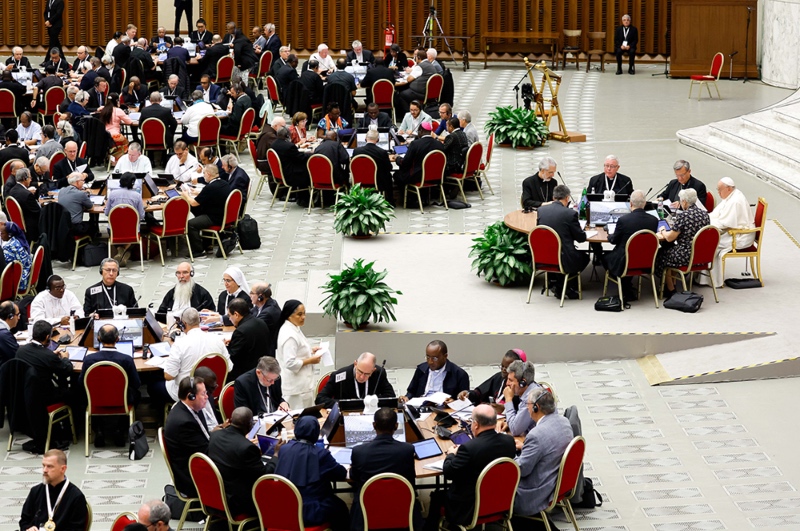
As the universal Church continues its journey of synodal implementation, the workshop at St. Paul College Major Seminary stands as a vibrant sign of hope. It demonstrated that when people gather in prayer, listen with humility, and discern together, new possibilities for the Church and society emerge. The seed of synodality has been planted in Liberia. Now, the challenge and joy lie in nurturing it through continued formation, dialogue, and shared mission.
Building on this momentum, the African Synodality Initiative is already preparing for another contextualized seminary formation initiative in August 2026 at St. Augustine Major Seminary in Roma, Lesotho. The journey of walking together in hope continues.
See the ASI Website link {HERE}