

The Collaborative Theology Initiative Summer Programme at Hekima University College

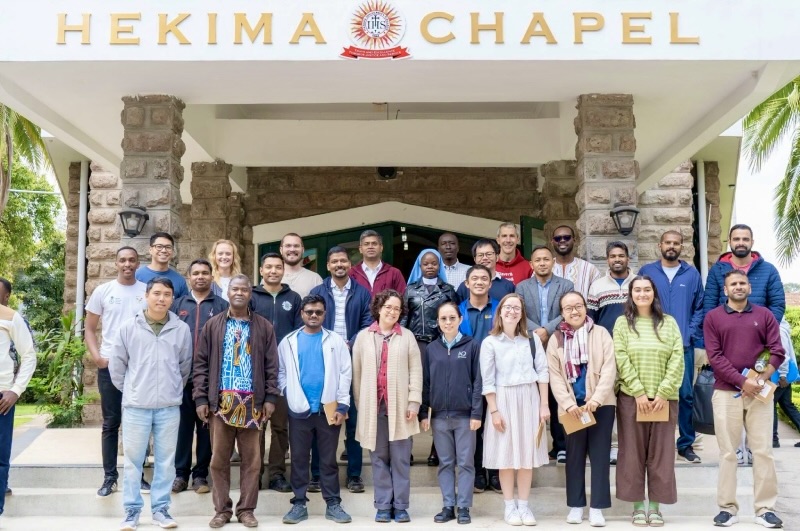


Running from June 13 to July 11, 2026, the four-week programme marked a tangible realisation of a vision that has been years in the making a vision for theological formation that transcends geographical boundaries and embraces intercultural dialogue.
The Collaborative Theology Initiative was formally announced in March 2025 by Father General Arturo Sosa, SJ, as a response to Pope Francis's apostolic letter Ad theologiam promovendam, which calls for a theology that is synodal, contextual, and responsive to the needs of the Church and the world. The initiative builds upon the foundations laid at the first convening in Nairobi, Kenya at the Jesuit Conference of Africa and Madagascar (JCAM), a collaborative project launched in 2019 among seven English-speaking Jesuit theology centres across North America, Africa, and Asia.
CTI represents an evolution of this vision, now encompassing eight member institutions: Boston College Clough School of Theology and Ministry (USA), Jesuit School of Theology of Santa Clara University (USA), Hekima University College (Kenya), Loyola School of Theology (The Philippines), Pontifical Athenaeum Jnana Deepa (India), Regis St. Michael's Faculty of Theology (Canada), Saint Joseph Jesuit Scholasticate (Vietnam), and Vidyajyoti College of Theology (India).
"CTI is a bold and necessary endeavour to equip theologians and ministers from around the world to serve and lead the Church of the future," Father General Sosa declared at the initiative's launch.
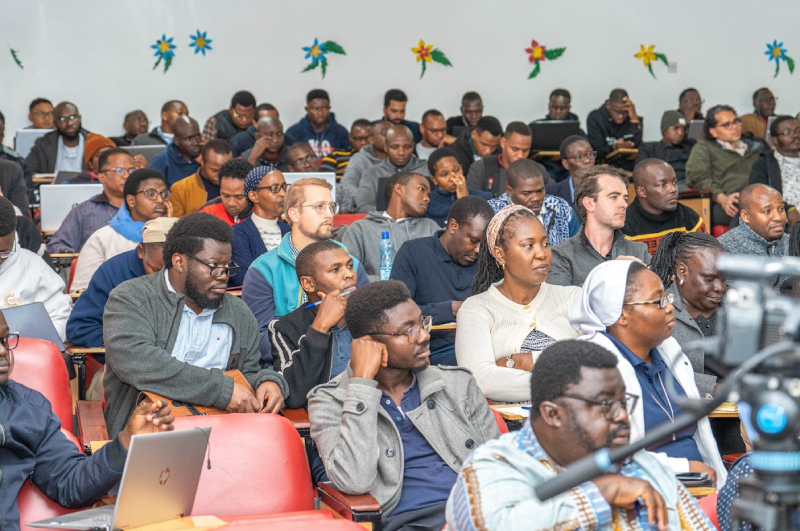
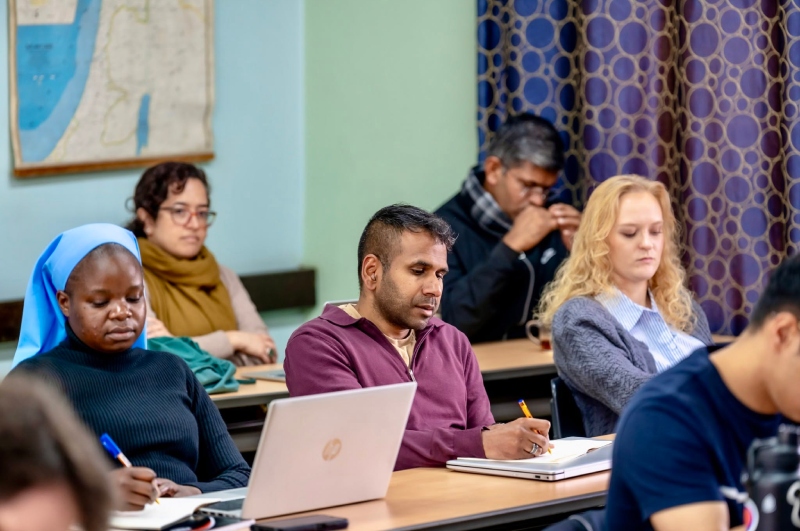
The 2026 summer course, entitled History and Charisms of the First Jesuits: Discovering our Friends and our Friendship in the Lord, brought together students from across the CTI network. Faculty members Fr Christopher Staab, SJ (JST-SCU), Fr Somy Mathew, SJ, and Fr Emmanuel Foro, SJ (Hekima University College) guided participants through a close reading of primary documents from Ignatius of Loyola and the first companions.
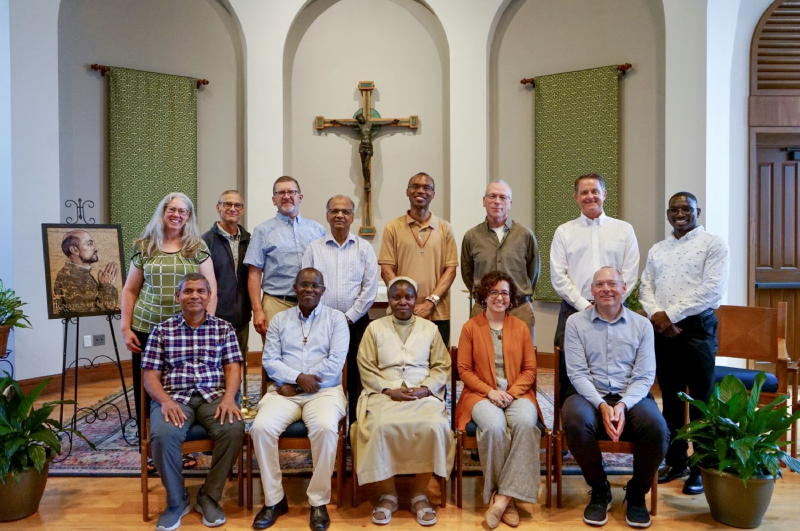
Fr Agbonkhianmeghe E. Orobator, SJ, Dean of the Jesuit School of Theology of Santa Clara University and inaugural Chair of the CTI Coordinating Committee, captured the initiative's spirit: "In a fractured world, this initiative embodies a synodal spirit of cooperation and hope-filled imagination. Through our collaboration, we are creating a dynamic initiative to reimagine theological education in the 21st century".
The choice of Hekima University College as host institution was a recognition of its growing reputation as a centre of excellence in theological education and intercultural formation. As the College noted in welcoming the first cohort, "Theology today must be lived and studied in dialogue with different cultures, histories, and experiences of faith."
The programme extended beyond academic study. Students engaged with guest speakers including Catherine Waiyaki, the Kenyan delegate for the Society of Jesus's Women's Commission, and had a virtual conversation with Fr General Arturo Sosa regarding their mission as collaborators in today's Church.
Milady Casco, the CTI Program Manager based at JST-SCU, reflected on the experience: "Our CTI students have truly become a cohort of companions in friendship and faith learning, experiencing, and praying together. Though they return home, they take with them many shared moments of joy, gratitude, and spiritual reflection that will continue to nurture their studies and vocations moving forward."
The CTI represents a commitment to "living theology" a theology that engages with local cultures and communities while addressing global challenges. Fr Arturo Sosa's vision for collaboration emphasises that "joining together to be more and better" requires overcoming the tendency for individual institutions to shepherd resources for their own use alone, embracing instead a "culture of generosity which is at the heart of doing more and greater things."
The initiative's four working groups Curriculum and Academic Programs, Pedagogy, Faculty and Staff Development, and Capacity Development continue to develop joint academic programmes, student and faculty exchanges, and a digital resource hub. While initially focusing on English-language formation centres, the CTI aims to progressively include all interested Jesuit theology formation centres worldwide.
The success of this inaugural summer programme demonstrates the power of intentional collaboration in theological education. By bringing together students from diverse cultural and geographical contexts to study the Ignatian charism, the CTI is nurturing a new generation of theologians who embody the synodal spirit Pope Francis envisions.
As Fr. Orobator observed, "Through this collaboration, faculty and students from across the globe will create, learn, and collaborate with one another in 'a providential cultural laboratory,' bringing their cultures into dialogue with the Catholic Church's traditions and Ignatian ideals."
The programme concluded with a retreat at Mwangaza Jesuit Spirituality Centre, a serene property established in 1978 that has long served as a spiritual oasis in Nairobi. Set in a quiet area of Nairobi’s Karen area, facing the Ngong Hills, Mwangaza offered students a space for reflection and integration as they processed their month-long journey.
The Collaborative Theology Initiative has taken its first bold steps. The friendships forged at Hekima this summer among students from eight institutions across four continents testify to the possibility of reconciliation and renewal in a fractured world, one friendship in the Lord at a time.